How Glozya Jewelry Is Made: Materials, Process, Honesty
In this guide
I get this question more than any other: "what is your jewelry actually made of?" It's a reasonable question because "18K gold plated" gets used across a huge quality range — from genuinely premium pieces built to last to cheap costume jewelry that fails in weeks. Most brands don't explain what makes their pieces different from the bottom of that range. This post is that explanation for Glozya. No marketing softening, no glossing over the practical details. Here's how our jewelry is made, why we made specific material choices, and what Canadian buyers can actually expect from the pieces they receive.
I'm writing this in first person because the decisions behind how our jewelry is made weren't abstract — they came from specific problems we were trying to solve for Canadian customers with sensitive skin, daily-wear wardrobes, and expectations that jewelry should survive actual life. If you've landed here as a potential customer trying to figure out whether Glozya is worth buying, this post is for you. If you're already a customer curious about what you've been wearing, this post is also for you.
What Glozya Pieces Are Actually Made Of
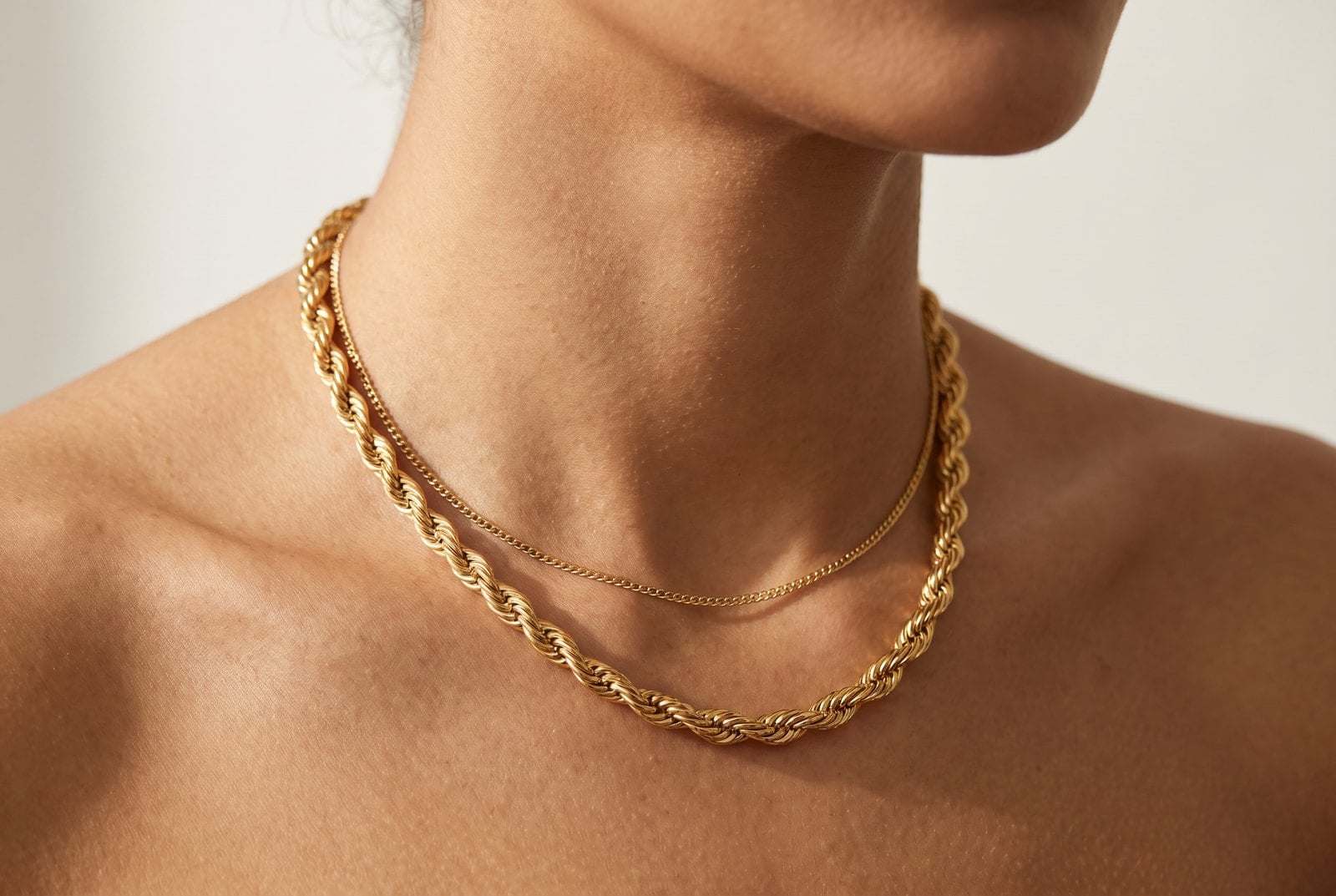
Every piece in the Glozya catalog is built on the same two-material foundation: 316L hypoallergenic stainless steel as the base metal, with 18K gold plating bonded to the surface. Those two choices drive most of what makes our pieces different from cheaper fashion jewelry. Here's what each one actually means.
The base: 316L stainless steel
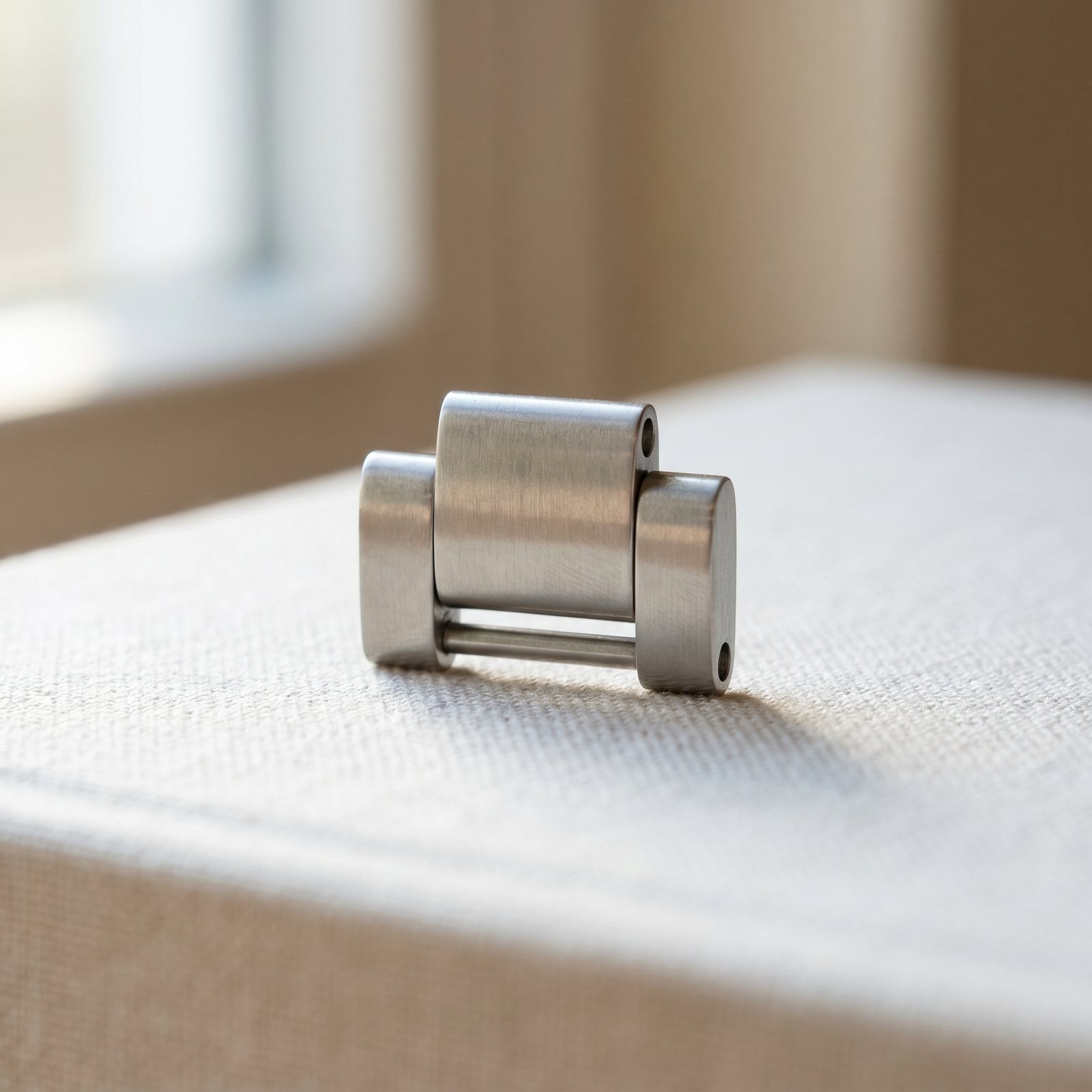
316L is a specific alloy — not generic "stainless steel." It's an austenitic stainless steel containing roughly 16-18% chromium, 10-14% nickel, and 2-3% molybdenum, with low carbon content (the "L" stands for "low carbon"). This is the same grade used in surgical instruments, medical implants, and body piercings because it's biocompatible with the human body for continuous contact.
The reason this matters for jewelry: 316L is hypoallergenic for roughly 99% of wearers, including most people with diagnosed nickel allergies. The nickel content in 316L is chemically locked into the alloy structure, with a protective chromium-rich oxide surface layer that prevents nickel from leaching onto skin in meaningful amounts. Health Canada estimates 10-20% of Canadian women have some level of nickel sensitivity — and most cheap jewelry fails this group because it's built on brass, which releases nickel far more readily.
We chose 316L specifically because building a jewelry brand for Canadian customers without solving for sensitive skin didn't make sense. For the full technical breakdown on why 316L is hypoallergenic despite containing nickel, see our guide on hypoallergenic stainless steel jewelry.
The plating: 18K gold, 2.5+ microns
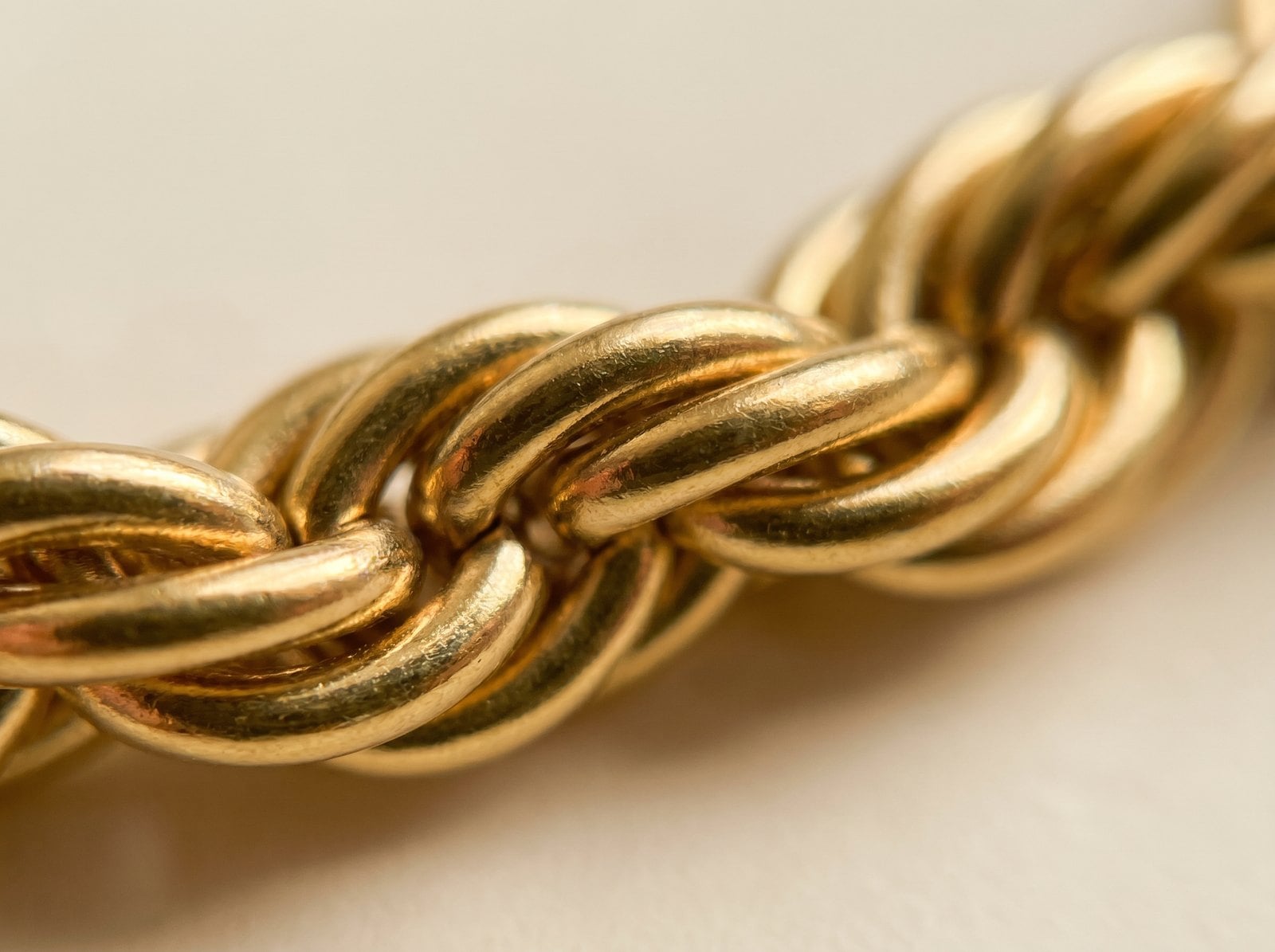
Our plating is 18K gold (75% pure gold) bonded to the stainless steel base at a thickness of at least 2.5 microns. That number doesn't mean much without comparison, so here's the context: cheap "gold plated" fashion jewelry typically has under 0.5 microns of plating, and some pieces labeled "gold plated" have less than 0.05 microns — roughly 50 times thinner than ours. At that thinness, the plating wears through within weeks of regular wear. At 2.5+ microns, the plating holds up through 2-3 years of daily wear with basic care.
18K was the right purity choice because it hits the sweet spot between color richness and wear durability. Lower karat platings (14K, 10K) have slightly more alloy content, which can affect color and wear characteristics. 24K pure gold is too soft to wear well as a plating layer — it scratches and dulls faster than 18K. 18K gives you the rich yellow-gold color of fine jewelry with the durability needed for daily wear. For the comparison of 14K vs 18K plating specifically, see our 14K vs 18K gold plated guide.
Base metal
316L
Hypoallergenic stainless steel chosen for sensitive skin, waterproof wear, and Canadian daily-life durability.
Gold purity
18K
75% pure gold plating for rich yellow-gold color without the softness of 24K plating.
Plating thickness
2.5+ microns
A thicker plating layer than cheap fashion jewelry, designed for years of daily wear with basic care.
Why this combination works for Canadian daily wear
The reason this specific combination — 316L stainless steel with 18K gold plating at 2.5+ microns — is the right choice for Canadian customers comes down to what Canadian daily life actually does to jewelry:
- Handwashing all day — Canadians wash hands more frequently than in many markets. Quality 316L doesn't rust, and the plating doesn't lift under soap and water exposure
- Showering with jewelry on — Shower water contains chlorine, minerals, and soap. 316L base is unaffected; the thick plating resists chemical wear
- Winter indoor heating — Canadian winter indoor air is extremely dry, which amplifies body-oil transfer to jewelry. Quality plating tolerates the residue; cheap plating doesn't
- Summer humidity and sweat — Sweat is acidic and corrosive to reactive metals. 316L and 18K plating both tolerate sweat exposure without degradation
- Cold-to-warm thermal cycling — Going from -20°C outside to a heated building stresses the bond between base metals and plating. Our pieces are built for this; cheap plating can delaminate
We built around the materials that handle Canadian conditions, not the ones that minimize cost.
— The Glozya Journal
In short: a piece that would fail in Canadian daily life within six months if built on brass with 0.3 micron plating will last years if built on 316L with 2.5+ micron 18K plating. That's not marketing — it's the physics of how metals interact with the environment. We built around the materials that handle Canadian conditions, not the ones that minimize cost.
How Pieces Are Manufactured
The actual manufacturing process involves three main stages: base fabrication, plating, and quality control. Here's what happens at each stage and why.
Stage 1: Base fabrication
The 316L stainless steel is shaped into the jewelry form through a combination of casting, stamping, and precision machining depending on the piece. For complex pendants or detailed pieces, casting from molten 316L into molds creates the initial shape. For simpler chains and bangles, pre-formed 316L stock is machined or welded into the final form. For earring posts and delicate components, precision stamping produces consistent shapes at scale.
This stage sets the piece's mechanical integrity. Weld points, hinge mechanisms, clasp attachments — the quality at this stage determines how long a piece lasts mechanically. Cheap jewelry cuts corners here by using thinner stock, weaker welds, or spot-welding where soldering is needed. Our pieces use industry-standard jewelry-grade fabrication methods, which cost more per unit but hold up through years of use.
Stage 2: Plating
After the 316L base is formed, it goes through the plating process. Gold plating uses electroplating — the base piece is suspended in an electrolyte bath containing dissolved gold, and an electrical current causes gold ions to bond to the base metal surface. Plating time and current control determine the thickness of the gold layer.
For our pieces to hit the 2.5+ micron plating thickness, the plating process takes substantially longer than the shorter cycles used for thin-plating cheap jewelry. This is a real cost difference — thicker plating uses more gold and more time. But it's also the single biggest factor in whether a piece lasts 3 months or 3 years, so we don't cut the time here.
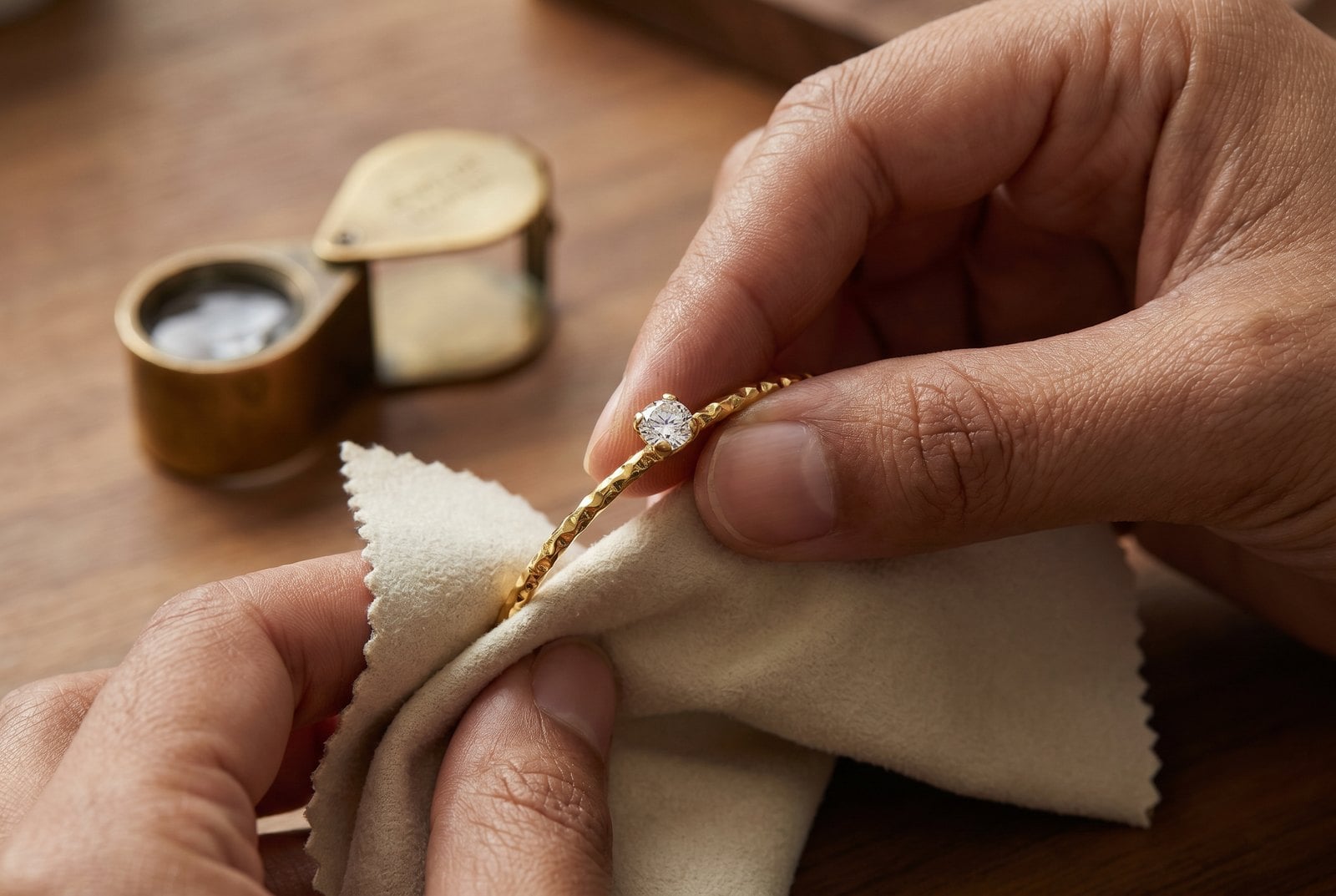
Before plating, the 316L surface is cleaned and prepared to ensure consistent bonding. Any contamination on the base metal creates weak bond points where plating lifts later. Quality plating requires meticulous surface prep, which takes time but prevents the delamination that plagues cheaper pieces.
Stage 3: Quality control
After plating, pieces go through QC checks for plating consistency, mechanical function (do clasps actually clasp? do hinges move smoothly?), finish quality, and overall condition. Pieces that fail any check don't ship — they go back for rework or scrap.
This stage is where most cost-cutting happens in low-end jewelry. Cutting QC lets more pieces ship, including ones with defects. The customer-facing impact is buying a piece that doesn't clasp properly, has visible plating gaps, or breaks within weeks. We prioritize not shipping those, which means accepting a small percentage of scrap. That cost gets absorbed into our pricing rather than pushed to the customer through bad pieces.
| Stage | What happens | Why it matters |
|---|---|---|
| Base fabrication | 316L stainless steel is cast, stamped, machined, welded, or formed into the jewelry shape. | Sets the piece's mechanical strength, clasp durability, hinge quality, and long-term structure. |
| Plating | 18K gold is electroplated onto the prepared 316L surface at 2.5+ microns. | Determines color richness, wear resistance, and whether the finish lasts months or years. |
| Quality control | Pieces are checked for plating consistency, clasp function, finish quality, and defects. | Keeps defective pieces from shipping and protects customer trust. |
Material Sourcing and Ethics
This is the part I want to be honest about rather than marketing-polished. Here's what we can say accurately about sourcing.
The 316L stainless steel we use is commodity-grade industrial material with standardized specifications. It's produced by stainless steel mills globally and sold against the 316L specification, which guarantees the alloy composition. We don't claim any particular geographic origin story for our steel because there isn't one — 316L is 316L regardless of which mill produced it, as long as it meets the spec.
The gold used in plating is sourced through commodity gold markets. Gold refineries that supply electroplating-grade gold typically operate under the international gold trading standards. We're not currently certified under specific conflict-free gold schemes (like Fairtrade Gold or Responsible Jewelry Council certification), and it would be misleading to claim we are. What we can accurately say is that the gold volume used in plating Glozya pieces is measured in grams per hundred pieces — the per-piece gold content is small enough that sourcing volume has limited market impact.
A Canadian customer who would otherwise buy 4-6 cheap pieces a year can buy 1-2 Glozya pieces and end up with less net waste. That's a modest but real durability argument — not a sweeping sustainability claim.
Who's Behind Glozya
Glozya is a Canadian direct-to-consumer jewelry brand founded in 2023 and headquartered in the Greater Toronto Area. The brand was built around a specific insight: the Canadian jewelry market underserves women with sensitive skin at the accessible price tier. Luxury brands ($500+) use hypoallergenic materials but price out most customers. Fashion jewelry ($10-50) uses reactive base metals that cause reactions for 10-20% of Canadian women. The middle ground — genuinely hypoallergenic pieces at the $25-150 price range — was underdeveloped in Canada.
We built Glozya to occupy that middle ground. Every piece uses materials that solve the sensitive-skin problem (316L hypoallergenic base + quality 18K plating) at a price range that keeps jewelry accessible for daily wear and gift-giving, not just milestone occasions. We're not trying to be a luxury brand. We're trying to be the brand that works for Canadian women who want quality without luxury pricing.
As a direct-to-consumer brand, we don't have a retail storefront. Pieces ship from our Ontario fulfillment center, free across Canada on orders over $75. Customer service operates through email at support@glozya.ca, and we respond during Ontario business hours. We're small enough that individual emails reach actual humans who know the products, not an outsourced call center.
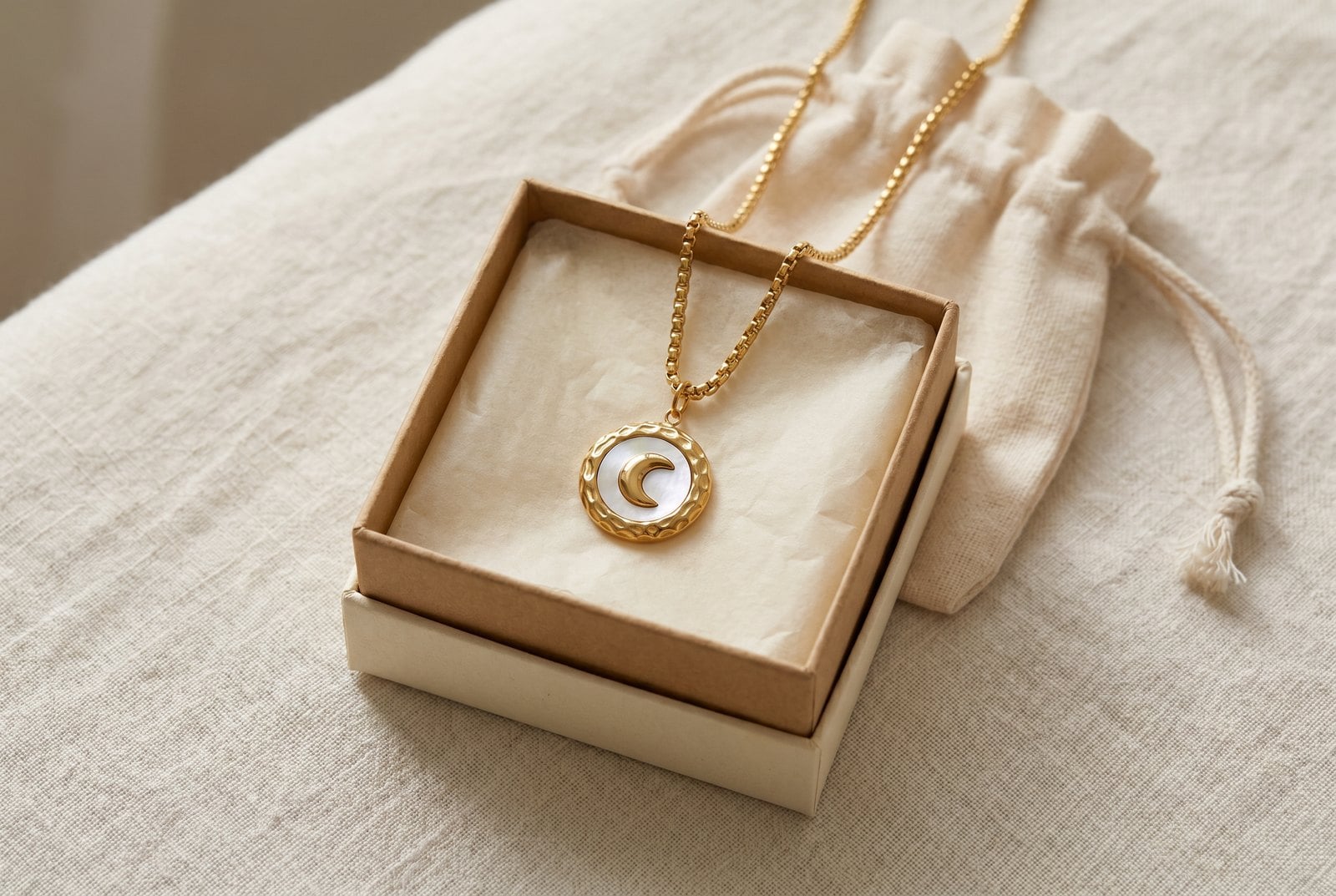
What Customers Should Expect From a Glozya Piece
Concrete expectations based on what our pieces actually do:
- Skin safety — 316L base is hypoallergenic for the vast majority of sensitive-skin wearers. If a piece causes a reaction within 30 days, returns are accepted. Reactions in the 1% edge case (severe nickel hypersensitivity where even 316L triggers reactions) do happen, and returns cover this
- Waterproof construction — pieces can be worn through showers, handwashing, swimming, and workouts without damage. This isn't a marketing term; it's a material property of 316L + quality plating
- Durability over 2-3 years — daily-wear pieces typically show visible wear at high-friction contact points (inside of ring bands, chain friction points) after 2-3 years of continuous daily wear. Occasional-wear pieces last longer
- Consistent with photography — pieces arrive looking like their product photos. Gold plating hits the color shown; stainless steel base isn't visible unless photographed separately
- Mechanical reliability — clasps work on arrival and continue working through normal use. If a clasp fails within the warranty period, we replace or refund
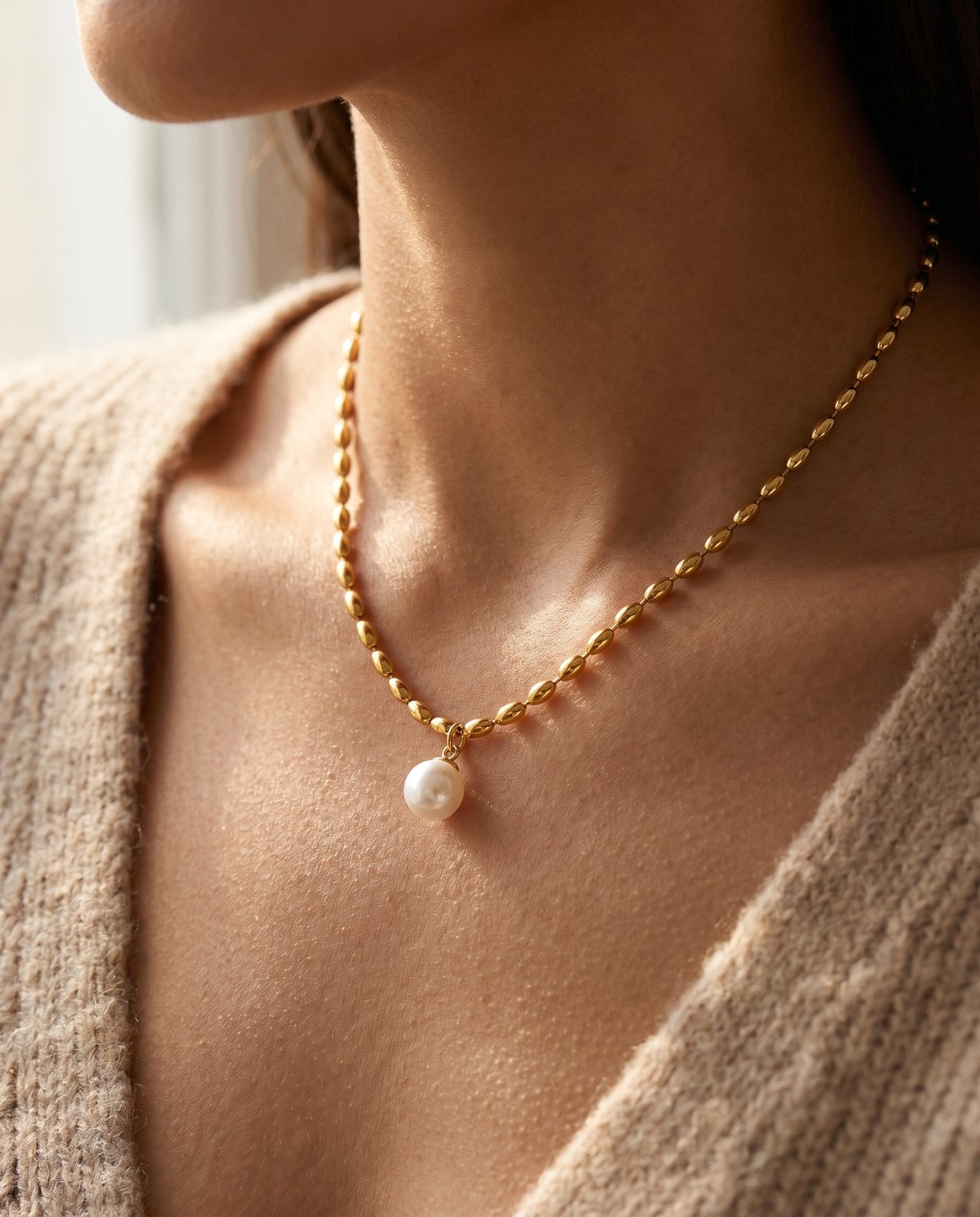
What customers shouldn't expect:
- Solid gold performance — our pieces are quality plated jewelry, not solid gold. Pieces will eventually show plating wear at high-friction points after years of daily wear. For pieces meant to last a lifetime, solid gold from a fine jeweler is the better investment. See our gold plated vs gold filled vs solid gold guide
- Custom or bespoke work — we offer our catalog, not custom design
- Large-stone settings with high-value gemstones — Glozya pieces use cubic zirconia, pearl, and crystal accents rather than diamonds or precious gemstones
Our Pricing
A quick note on how pricing works. Our pieces range from about $25 for simple stud earrings to around $150 for statement pieces and layered sets. The price reflects the material cost (316L + thick 18K plating + quality fabrication), fulfillment from Canadian warehousing, and operating costs of a Canadian direct-to-consumer brand. We're not the cheapest hypoallergenic jewelry option available — brands using thinner plating on brass or zinc alloy bases price lower. We're also not positioned in the luxury tier. The pricing sits where we think quality-conscious Canadian buyers get the right tradeoff between material quality and affordability.
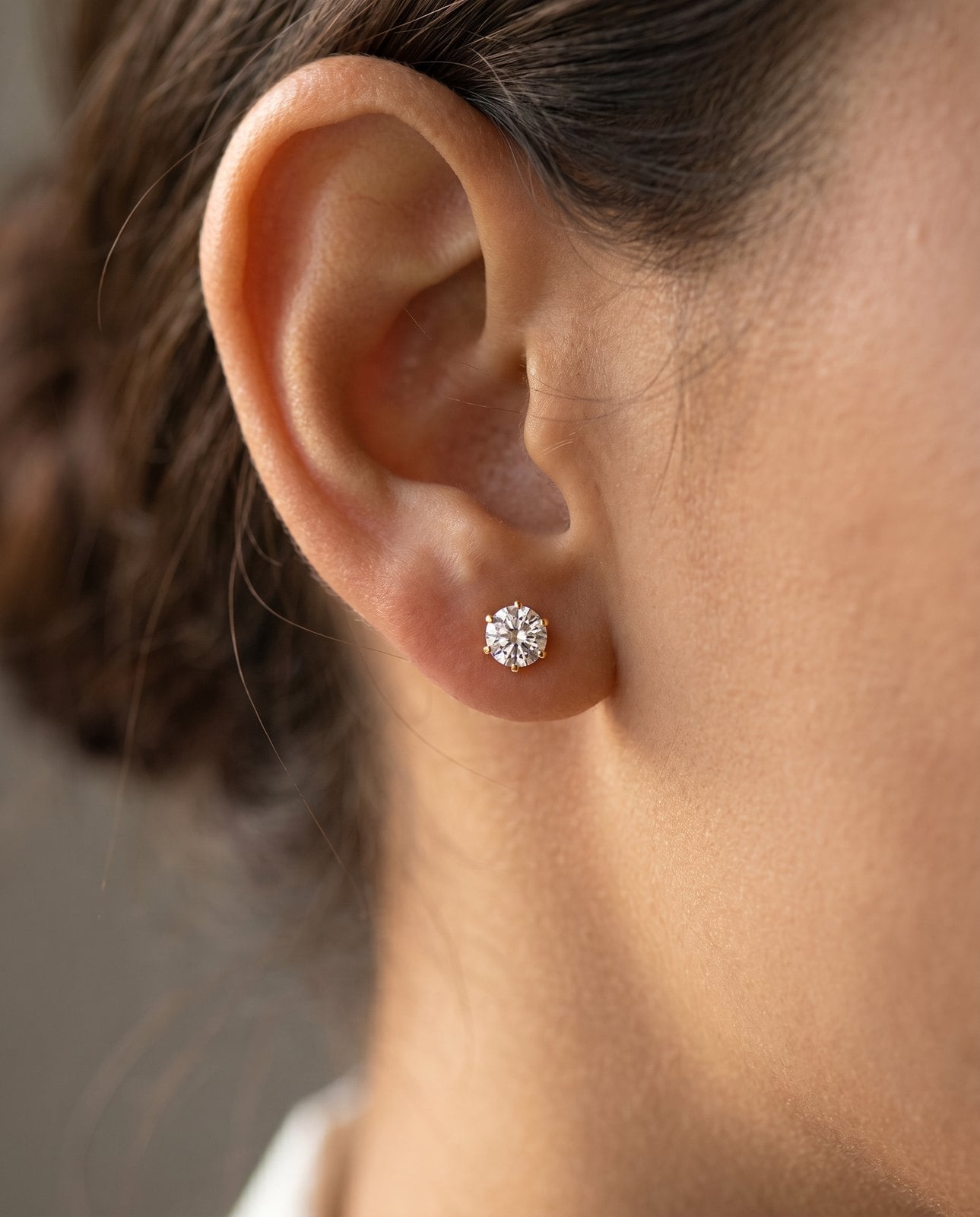
For pieces you're considering, the categories to explore are bracelets, earrings, necklaces, and finger rings including adjustable rings that sidestep the sizing question. For the latest pieces, see new releases. For discounted pieces worth considering, see the current flash sale.
Why This Honesty Matters
There's a version of "how our jewelry is made" content that would sound more exciting — stories about artisan workshops, heritage craftsmanship, or founder journeys overcoming adversity. Some of those stories are true for other brands. They're not the honest story for us.
What we do have: a clear-eyed choice to build jewelry on materials that genuinely work for the Canadian customers we serve, at prices that keep jewelry accessible rather than exclusive. Our pieces aren't handmade in small workshops — they're manufactured at standard industry scale using quality-grade materials. The craftsmanship happens in material selection and quality control, not in individual pieces being hand-hammered. That's a less romantic story but it's the accurate one.
I think customers deserve the accurate version. Telling a heritage craftsmanship story when the reality is scaled manufacturing would be dishonest. Telling a sustainability story without backing it with specific certifications would be marketing fluff. What we can tell honestly is: this is what our pieces are made of, this is how they're made, this is what they'll do for you, and this is what they won't do. If that specific offer fits what you need, we'd love to be the brand you wear.
For context on the jewelry trends driving the Canadian market right now and what's shaping style choices, see our Canadian jewelry trends guide. For the care routine that extends any piece's lifespan, see our gold plated jewelry care guide. And browse the full Glozya shop when you're ready.
About the Author

Mohammad Aftab is the founder of Glozya, a Canadian 18K gold-plated jewelry brand he launched in 2023. He has over a decade of experience in e-commerce, email marketing, and brand design across DTC, retail, and digital media. He writes about jewelry care, style, and the everyday details that make a piece worth keeping.