What Is 18K Gold Plated Jewelry? A Canadian Guide
In this guide
If you've been shopping for affordable gold jewelry in Canada, you've almost certainly seen the term 18K gold plated. But what does it actually mean? And more importantly, does 18K gold-plated jewelry last — or will it fade and turn your finger green after a few months?
This guide breaks down what 18K gold plating really is, how it's different from gold-filled and solid gold, what determines whether a piece lasts six months or six years, and how Glozya's pieces stay gold through years of daily wear thanks to a waterproof stainless steel base. If you walk away from this article with just one thing, let it be this: the quality of "18K gold plated" jewelry depends almost entirely on two things most product pages never disclose — the base metal underneath, and the thickness of the plating on top.
What 18K Gold Plated Actually Means
When jewelry is labeled "18K gold plated," it means two things at once.
First, a base metal (most commonly stainless steel, brass, or copper) is formed into the shape of the piece — the chain, the bracelet, the ring band. This base metal gives the jewelry its structure, weight, and strength. Without the base metal, the piece would be impossibly soft, because gold on its own is one of the softest metals used in jewelry.
Second, a thin layer of real 18-karat gold is bonded to the surface of that base metal through a process called electroplating. This gold layer is what gives the finished piece its warm yellow shine and luxurious appearance. The layer is measured in microns — typically somewhere between half a micron and five microns thick, depending on the manufacturer's standards.
The "18K" refers specifically to the purity of the gold being applied, not the thickness of the plating. 18K gold is 75% pure gold alloyed with 25% other metals (usually copper, silver, or palladium — the alloy determines whether the gold looks yellow, rose, or white). To put 18K in context with other common karatages:
| Karat | Purity | Common Use |
|---|---|---|
| 24K gold | 100% pure gold | Too soft for most jewelry, bends and scratches easily. Rarely used except for high-purity coins or Asian market fine jewelry. |
| 18K gold | 75% pure gold | The sweet spot between richness and durability, used in fine jewelry worldwide. Rich yellow color when alloyed traditionally. |
| 14K gold | approximately 58% pure gold | Paler color, slightly harder than 18K, common in North American fine jewelry and engagement rings. See our 14K vs 18K plated comparison for the plated-jewelry version of this question. |
| 10K gold | approximately 42% pure gold | The minimum purity legally allowed to be called "gold" in Canada and the United States. |
So when you see "18K gold plated," the 18K tells you the plating is a high-purity gold layer with a rich yellow color — higher purity than what most 14K gold solid pieces contain. It does not tell you how thick the plating is or how long it will last. Both of those depend heavily on the manufacturer and the base metal underneath, which is why "18K gold plated" from two different brands can mean wildly different products.
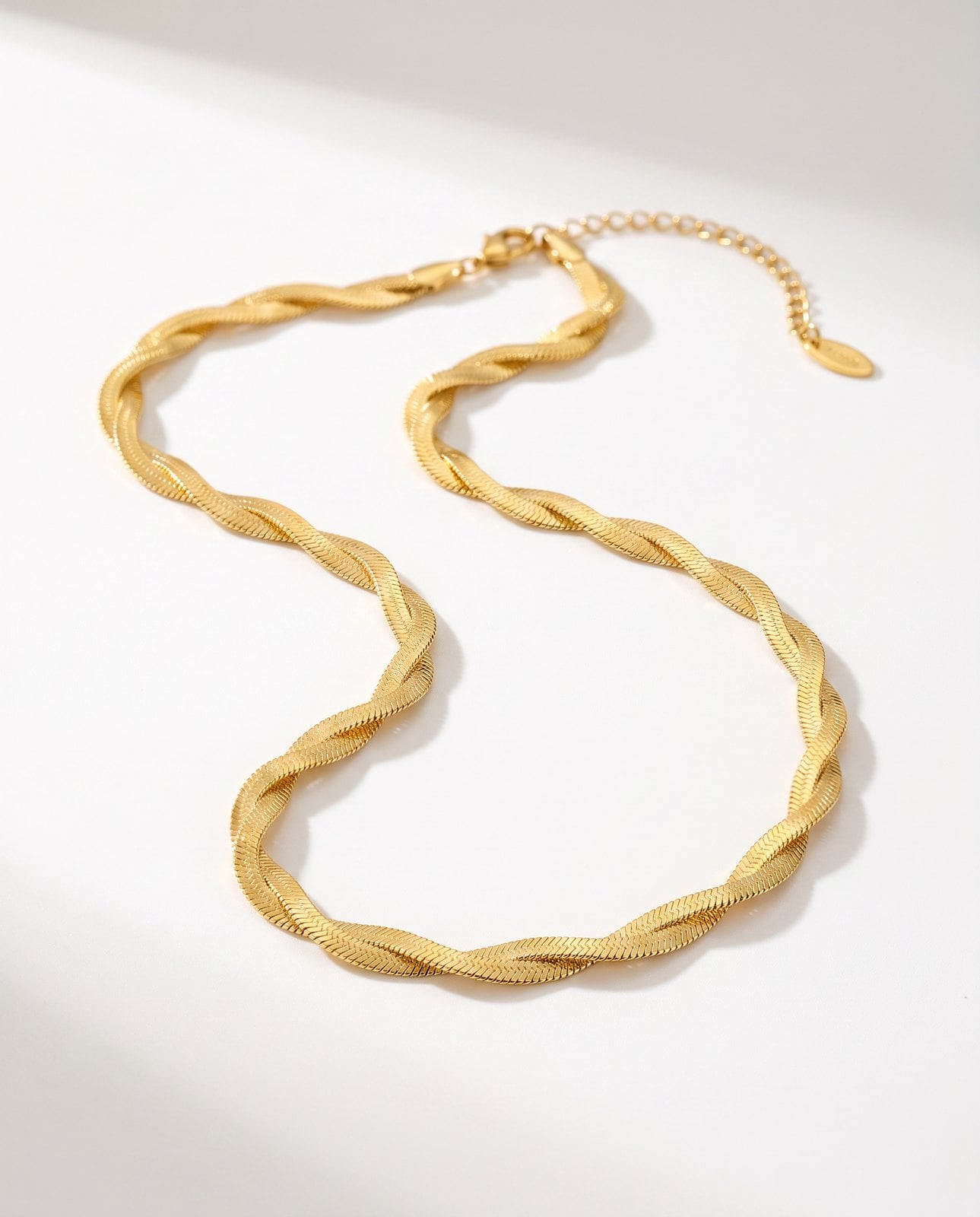
How Electroplating Works
Gold plating isn't painted on. It's chemically bonded through a precise electrical process that deposits gold atom by atom onto the base metal surface.
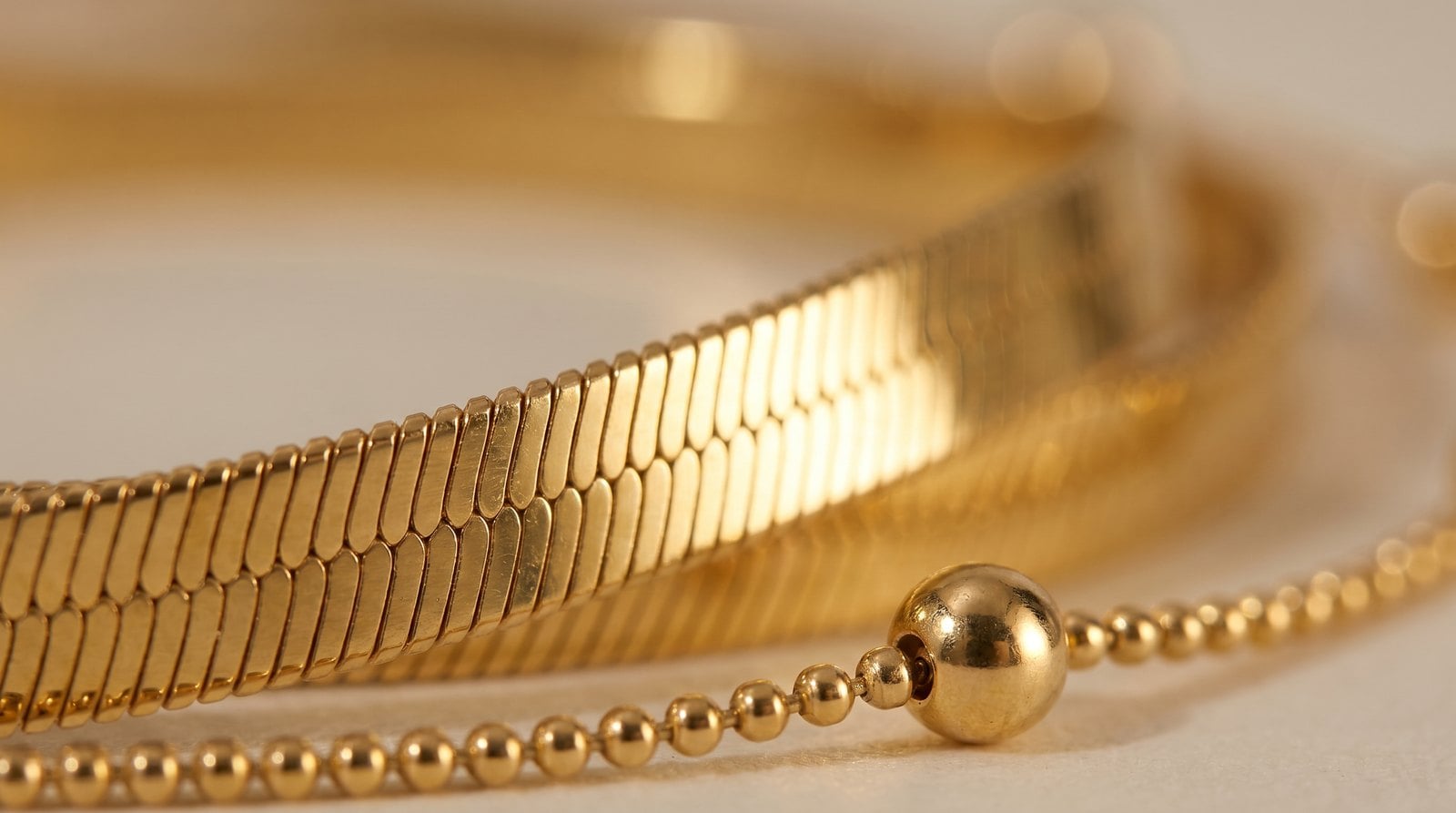
Here's the simplified version: the base metal piece is first cleaned thoroughly — any dirt, oil, or oxidation on the surface will cause the plating to fail to bond. The cleaned piece is then submerged in a plating bath, a liquid solution containing dissolved gold ions along with other chemicals that help the gold stick uniformly. An electrical current is run through the bath with the jewelry piece acting as one electrode. The current causes gold ions to migrate out of the solution and deposit onto the surface of the base metal in a uniform, molecularly-bonded layer.
The longer the piece stays in the bath and the stronger the current, the thicker the resulting gold layer. This thickness is the single most important factor in how long the plating will last once the piece is worn. Industry plating thicknesses typically range across several tiers:
| Plating Tier | Thickness | Lifespan (daily wear) | Typical Price |
|---|---|---|---|
| Flash plating | under 0.5 microns | Fades within weeks of daily wear. Used for costume jewelry meant to be worn occasionally. | $5–$15 fast-fashion pieces |
| Standard commercial | 1–2 microns | Lasts 6–12 months with careful wear. The industry minimum for jewelry sold as "gold plated." | $20–$40 |
| Premium plating | 2.5–5 microns | Lasts 1–3 years with normal care. Typical of quality plated jewelry brands that stand behind their products. | Quality DTC pricing |
| Heavy plating / vermeil | 5+ microns over sterling silver | Multi-year lifespan. Often called "vermeil" when applied over sterling silver specifically. | Higher price points |
Plating thickness is rarely disclosed on product pages — most brands simply don't publish the number because they're worried about committing to something specific. When a brand uses thick plating and stands behind it with a warranty or replacement policy, that's typically a quality signal worth paying attention to. Vague plating claims with no supporting durability guarantee usually mean flash or standard plating that will show wear quickly.
18K Gold Plated vs Gold Filled vs Solid Gold
These three terms get confused constantly, and the distinctions matter for both price and durability. For a deeper side-by-side comparison with care recommendations, see our full guide on gold plated vs gold filled vs solid gold. Here's the short version you need for shopping decisions.
Solid gold. The entire piece is made of gold alloy all the way through. No base metal, no plating layer. Solid 18K gold is the benchmark for fine jewelry — it lasts essentially forever, doesn't tarnish, and can be resized and repaired by any jeweler. It's also the most expensive option by a significant margin. An entry-level solid 18K gold chain easily runs $800–$2,000 in Canada depending on length and weight. A solid 18K gold ring with any detailing often exceeds $1,500. Solid gold is an investment purchase, not an everyday-wear decision.
Gold filled. A thick layer of gold is mechanically bonded — not electroplated — to a base metal core through heat and pressure. Gold-filled jewelry must contain at least 5% gold by weight under North American Federal Trade Commission standards, which is significantly more gold than plated pieces. The mechanical bonding method also creates a stronger, more scratch-resistant gold layer. Gold-filled jewelry lasts considerably longer than plating — often decades — but still eventually wears down. Prices typically run 3–5x what comparable gold plated pieces cost.
Gold plated. A thin layer of gold is electroplated onto a base metal. Lower gold content, lower price, and — depending on the manufacturer — varying durability. This is the category most affordable fashion jewelry falls into, and it's the category where quality varies wildly between brands.
| Type | Gold Content | Lifespan | Typical Price |
|---|---|---|---|
| Solid 18K gold | 100% gold alloy throughout | Essentially forever; resizable and repairable | $800–$3,000+ per chain in Canada |
| Gold filled | ≥5% gold by weight, mechanically bonded | Often decades | 3–5x the cost of plated |
| 18K gold plated | <1% gold by weight, electroplated layer | Weeks to several years (depends on base + plating) | $30–$80 for quality DTC pieces |
The key point: not all gold plated jewelry is created equal. A $15 piece from a fast-fashion retailer and a $55 piece from a quality brand may both be "18K gold plated," but the one with thicker plating on a better base metal will outlast the cheaper option by ten times or more. Price and brand reputation tell you more about lifespan than the "18K" label does.
Why the Base Metal Matters More Than You Think
When most people ask "will gold plated jewelry turn my finger green?" or "will it tarnish?" — what they're actually asking about is the base metal underneath the plating, not the gold itself.
Gold, even thinly plated gold, doesn't react with skin. What reacts with skin is the base metal that gets exposed when the plating wears thin, or that shows through microscopic gaps in the plating. And different base metals behave very differently when they meet your skin, your sweat, and your shower water.
Brass or copper base
The cheapest fashion jewelry uses brass or copper as the base metal. These are affordable, easy to shape into intricate designs, and accept plating well — which is why they're used so widely. But they oxidize quickly when exposed to moisture, air, or skin acidity. When the thin gold layer wears through (which on flash plating can happen within weeks), the brass or copper underneath starts to react with skin oils. This reaction is what turns skin green — copper ions bond with sweat and form green copper salts. The piece also starts to look visibly corroded as the exposed base metal oxidizes unevenly. This is where the "cheap jewelry turns my finger green" reputation comes from, and it's why cheap fashion jewelry has such a short functional life.
Sterling silver base
Premium plated jewelry (often marketed as "vermeil" when it meets a specific legal definition) uses sterling silver as the base metal. Silver doesn't turn skin green, and when the gold layer thins, the exposed silver still looks decent — just a different color that some people find acceptable and others find jarring. Sterling silver bases are common in the $100–$300 price range. The downside: silver tarnishes through oxidation, which means even gold-plated silver jewelry can develop a dark cast over time, and it's not well-suited to daily water exposure in showers or pools.
Stainless steel base
This is what Glozya uses across our entire collection. Specifically, we use 316L hypoallergenic stainless steel — the same grade commonly used for medical implants, surgical instruments, and premium watch cases. This material choice is not marketing language; it's the core mechanical reason Glozya pieces can be worn through daily showers, workouts, and Canadian winters without damage.
Hypoallergenic stainless steel doesn't tarnish, doesn't turn skin green, doesn't react with water or sweat, and doesn't corrode. When the gold plating eventually wears on a stainless-steel-based piece (and yes, even premium plating eventually wears with enough years of daily use), the exposed steel underneath still looks clean and silver-toned. Crucially, it doesn't damage your skin in the meantime. This makes stainless-steel-based gold plated jewelry the best choice for anyone with sensitive skin, anyone who wants to wear jewelry through showers and workouts without worry, and anyone who doesn't want to think about their jewelry every time they wash their hands.
| Base Metal | Skin-Safe | Waterproof | Daily Wear Lifespan |
|---|---|---|---|
| Brass / copper | No — turns skin green when plating thins | No — oxidizes from inside out | Weeks to months on flash plating |
| Sterling silver | Yes — but tarnishes to dark cast | Limited — not for showers or pools | Years if kept dry |
| 316L stainless steel (Glozya) | Yes — hypoallergenic, nickel-safe | Yes — shower, gym, pool safe | 2–4 years of daily wear with quality plating |
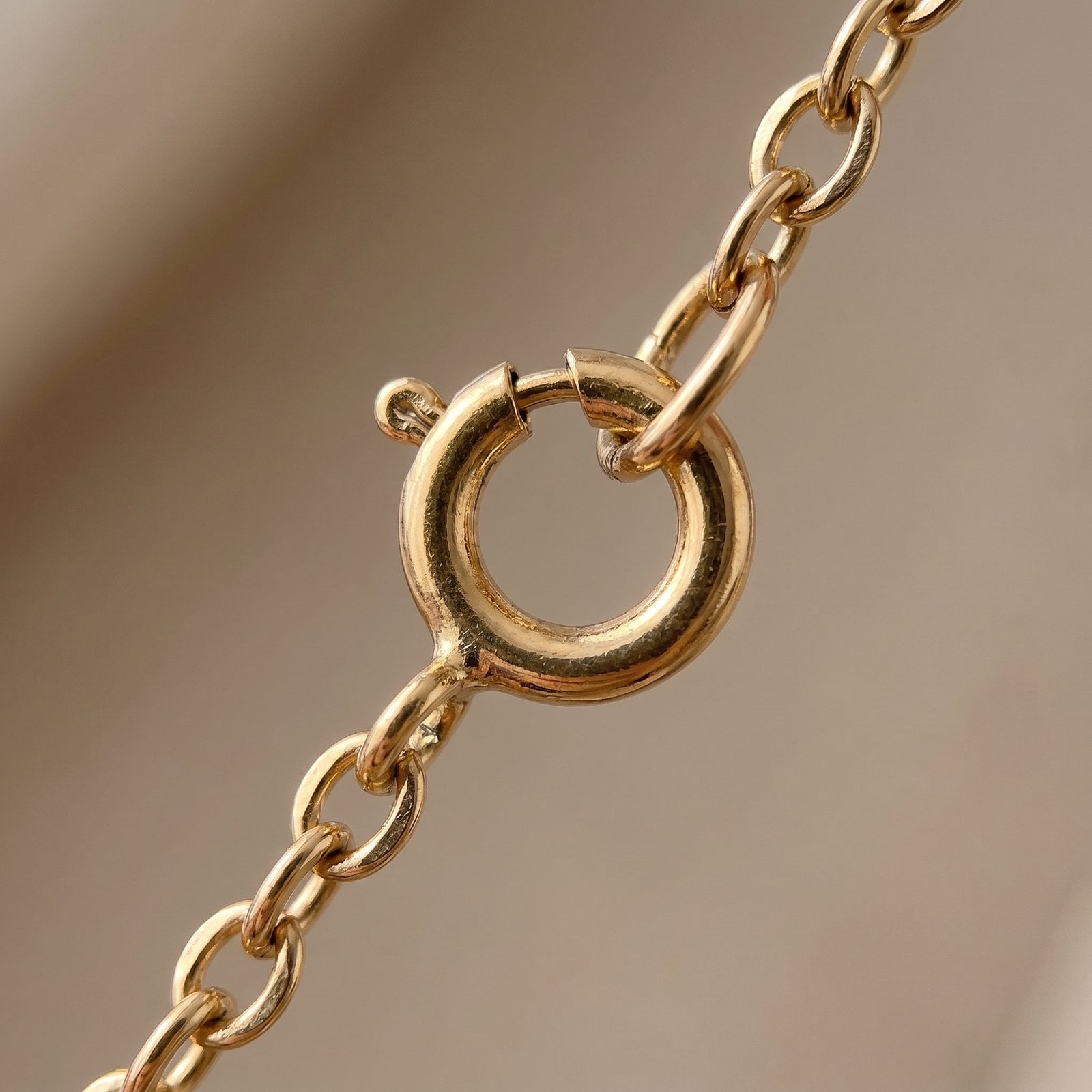
If you've had skin reactions to jewelry in the past and you're unsure whether stainless-steel-based plated pieces would work for you, read our detailed guide on stainless steel jewelry and hypoallergenic claims for what to look for and what to avoid.
Is 18K Gold Plated Jewelry Waterproof?
The honest answer: it depends entirely on the base metal and the plating quality. "Waterproof" is one of the most overused words in jewelry marketing, and it only actually means something when paired with the right materials.
Gold itself is waterproof — pure gold is one of the most chemically stable metals on earth and doesn't react with water at all. What isn't waterproof is most base metals. When you shower with gold plated jewelry built over brass or plain copper, the water seeps through microscopic imperfections in the plating, oxidizes the base metal from the inside, and accelerates wear. You won't see damage immediately, but within weeks the piece will start showing green oxidation around clasps and high-wear areas. Within months, the plating will fail entirely.
Jewelry built over 316L hypoallergenic stainless steel with quality plating is a different story. Stainless steel doesn't react with water, chlorine, salt, sweat, lotion, or sunscreen in any meaningful way. That means pieces with a stainless steel base can genuinely be worn in the shower, at the pool, and at the gym without damage to the underlying structure. The gold plating layer still benefits from sensible care (chlorinated pool water does thin plating faster than plain water), but the piece itself isn't going to corrode from the inside out.
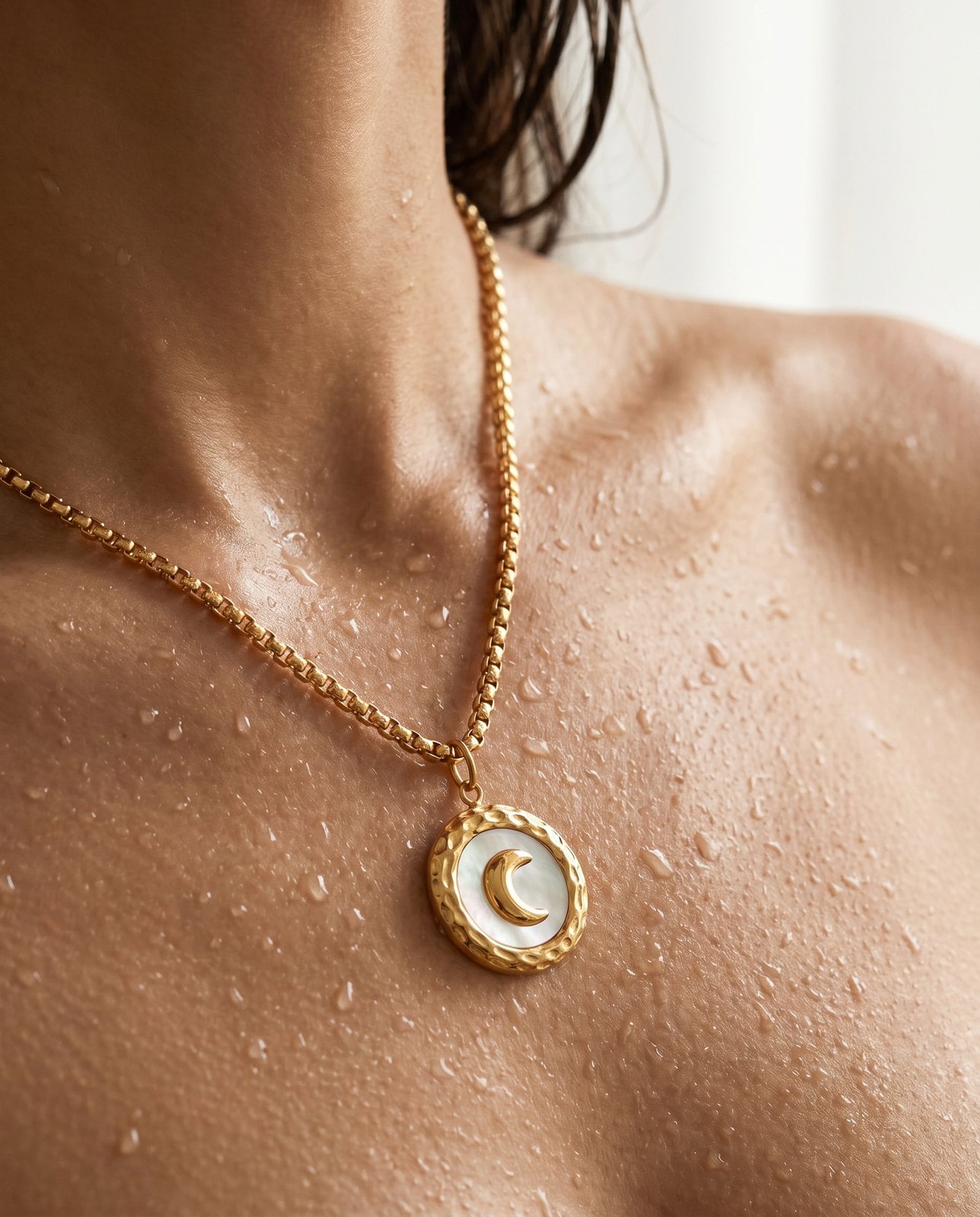
This is why every piece in the Glozya catalog is built over hypoallergenic stainless steel rather than brass or copper. We want customers to be able to wear our pieces in the pool on a Saturday, in the shower Sunday morning, and to work on Monday — without having to remember to take them off between each activity. The mechanical properties of the materials, not a marketing claim, are what make that possible.
Even waterproof jewelry benefits from basic care, of course. For specific routines that maximize lifespan, see our guide on how to make gold plated jewelry last longer.
How Long Does 18K Gold Plated Jewelry Last?
This is the question everyone asks, and the honest answer is: anywhere from a few weeks to several years, depending on four factors working together.
- Plating thickness is the first factor. Thicker plating simply contains more gold atoms bonded to the base metal surface, which means it takes longer for daily wear to abrade the plating down to the base. A piece plated at three microns lasts roughly three times longer than the same piece plated at one micron, all else being equal. This is why premium plated jewelry costs more — there's measurably more gold on it.
- Base metal quality is the second factor. As discussed above, a stainless steel base dramatically outlasts a brass or copper base because even when plating eventually thins, the piece doesn't corrode from within. A piece with thin plating over excellent base metal often outlasts a piece with thicker plating over poor base metal.
- Daily wear exposure is the third factor. The primary enemies of gold plating are chlorine (pool water degrades plating quickly — remove jewelry before swimming in pools), perfume and hairspray (spray products before putting on jewelry; the chemicals react with plating), lotions and sunscreens (apply fully and let them absorb before adding jewelry), abrasive friction (ring-on-ring rubbing, bracelet bumping against hard surfaces like desks and countertops), and heavy daily gym sweat. Note that sweat in normal amounts isn't harmful to quality plating — it's repeated intense exposure that matters.
- Storage when not worn is the fourth, most underrated factor. Jewelry stored in a damp bathroom oxidizes faster than jewelry stored in a dry lined box with a desiccant packet. Store pieces separately — ring-on-ring contact and chain tangling cause micro-scratches that accumulate into visible wear. Soft pouches or lined jewelry boxes work equally well. Plastic zip-top bags work but trap moisture; avoid them for long-term storage.
With quality construction and basic care, well-made 18K gold plated jewelry built over stainless steel should maintain its appearance for two to four years of regular daily wear, and longer for pieces worn occasionally. Fast-fashion plated jewelry built over brass, by comparison, often shows visible wear within two to three months regardless of how careful you are with it.
The construction quality sets the ceiling; your care habits set where you land within that ceiling.
— The Glozya Journal
Why Choose 18K Gold Plated Over Solid Gold
There are legitimate reasons someone chooses plated jewelry over solid — and it's not always just about price.
Solid 18K Gold Chain
$1,000–$3,000
Typical Canadian price for an entry-level solid 18K gold chain depending on length and weight
Quality 18K Gold Plated
$30–$80
Visually identical to anyone not inspecting with a loupe — the plating is real 18K gold
Price accessibility. A solid 18K gold chain in Canada often costs $1,000–$3,000 depending on length and weight. A well-made 18K gold plated version of the same chain costs $30–$80. The visual difference to anyone not inspecting the piece with a loupe is essentially zero — the color of the gold itself is identical because the plating is real 18K gold.
Lower loss anxiety. Losing a $50 necklace at the beach is disappointing. Losing a $1,200 necklace is a different category of loss entirely. Plated jewelry lets you wear gold-looking pieces in situations where solid gold feels too risky — travel, festivals, working out, daily commuting. This isn't a small consideration; plenty of solid gold sits unworn in drawers because the owner is anxious about damaging or losing it.
Style experimentation. Trends change, sometimes faster than we'd like to admit. The thick chunky chain that's popular this year might not be what you want in five years. Plated jewelry lets you follow trends without the sunk cost of buying solid gold every time styles shift. For trend-driven pieces like layered chains, statement earrings, or stackable rings, plated is often the smarter investment — you can refresh your style annually without committing $500+ per piece to trends that may or may not age well.
Skin-friendly options. Some people who react to nickel (common in cheaper solid gold alloys, especially white gold under 18K) actually tolerate stainless-steel-based plated jewelry better because high-grade 316L stainless steel is nickel-safe — it releases so little nickel that most sensitive skin tolerates it. If you've had skin reactions to "real gold" in the past, hypoallergenic stainless steel based pieces are worth trying before giving up on gold-tone jewelry altogether.
How to Tell if 18K Gold Plated Jewelry Is Good Quality
Not all "18K gold plated" jewelry is worth buying. Here's what separates quality pieces from disposable ones — specific things to look for when shopping, and warning signs that a piece will disappoint you within months.
The brand discloses the base metal. Quality brands tell you exactly what's under the gold. "18K gold plated over 316L stainless steel" is specific and trustworthy. "18K gold plated" with no base-metal disclosure usually means brass, copper, or an unnamed alloy — brands that use quality base metals almost always advertise them because it's a real differentiator.
The brand describes the plating process or thickness. You won't always see a specific micron number (brands are understandably cautious about committing to exact numbers they'd need to guarantee), but descriptions like "thick layer of plating" or "premium plating" paired with a long manufacturer warranty or wear guarantee are positive signs. Brands that write nothing about their plating are often hoping you won't ask.
Clear care instructions are provided. Brands that take quality seriously provide care guides on their website and in product inserts. Brands selling disposable jewelry typically don't — because they expect the piece to wear out quickly, and care instructions would just remind customers of that.
Return and replacement policies. A brand willing to replace or refund pieces that wear prematurely is confident in what they sell. Check the return window, the quality guarantee language, and what exactly counts as covered damage. A 30-day return window with no quality guarantee after that is a short safety net. A longer replacement program for premature wear is a much stronger signal.
Real customer photos and reviews. Look for reviews that show the piece after several months of wear, not just the day it arrived. Initial photos look good on every piece — even the cheapest flash-plated jewelry sparkles when it's brand new. A piece that looks good after six months of daily wear, in customer-submitted photos, is a piece that will still look good at two years.
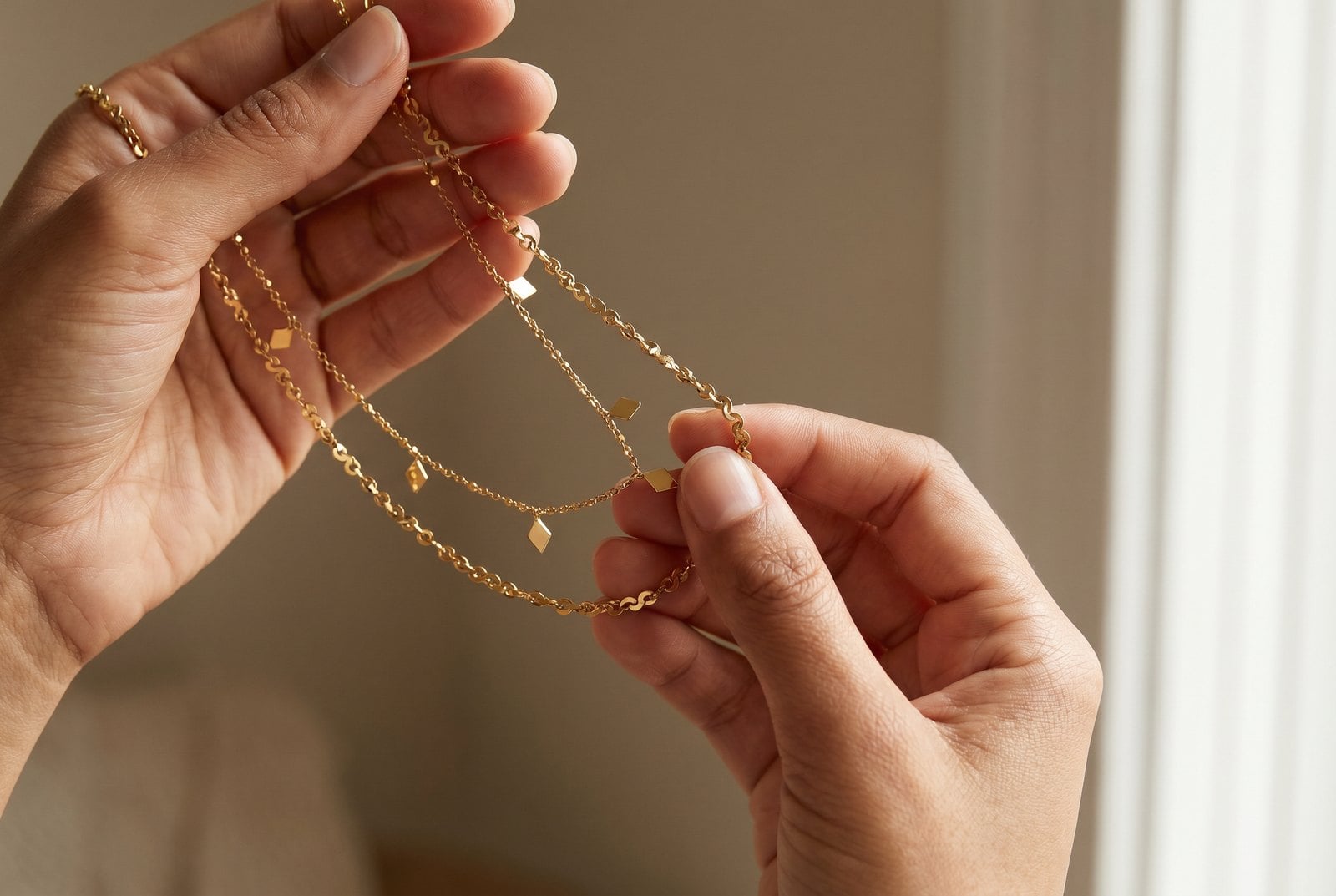
How Glozya's 18K Gold Plated Collection Is Built
Every piece in the Glozya catalog is built over 316L hypoallergenic stainless steel — a corrosion-resistant grade commonly used for durable jewelry. The steel core is what allows our pieces to be genuinely waterproof, tarnish-free, and suitable for sensitive skin. It's also why we can offer a meaningful wear guarantee instead of just hoping customers don't notice when pieces fail.
On top of that stainless steel base, we apply real 18K gold plating with a layer thick enough to hold up to daily Canadian life — cold dry winters, humid summers, morning showers, workout sweat, and the occasional trip to the beach or the pool. Our most popular pieces have been worn by customers daily for two-plus years with minimal visible wear, which we've verified through actual customer returns and photo reviews.
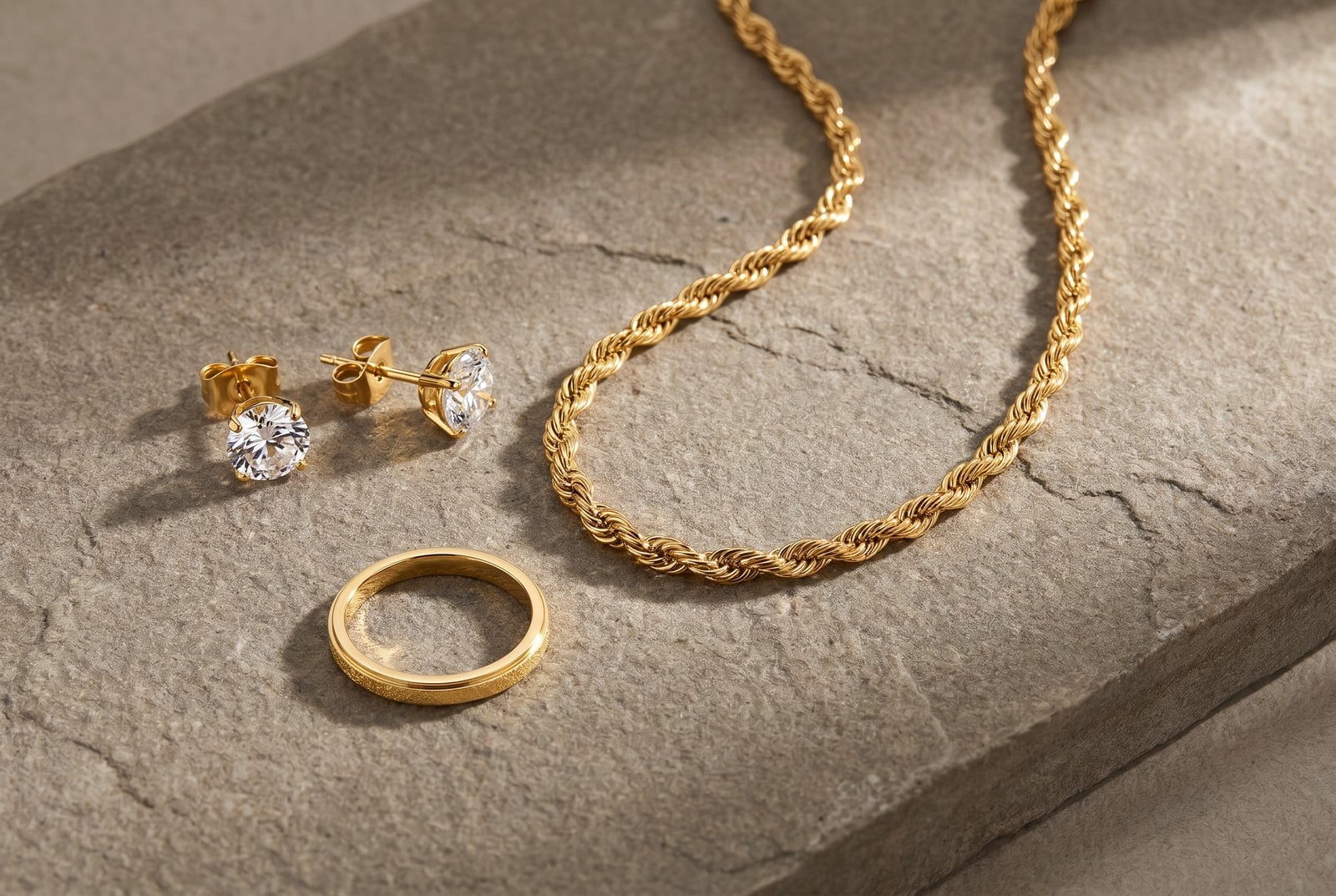
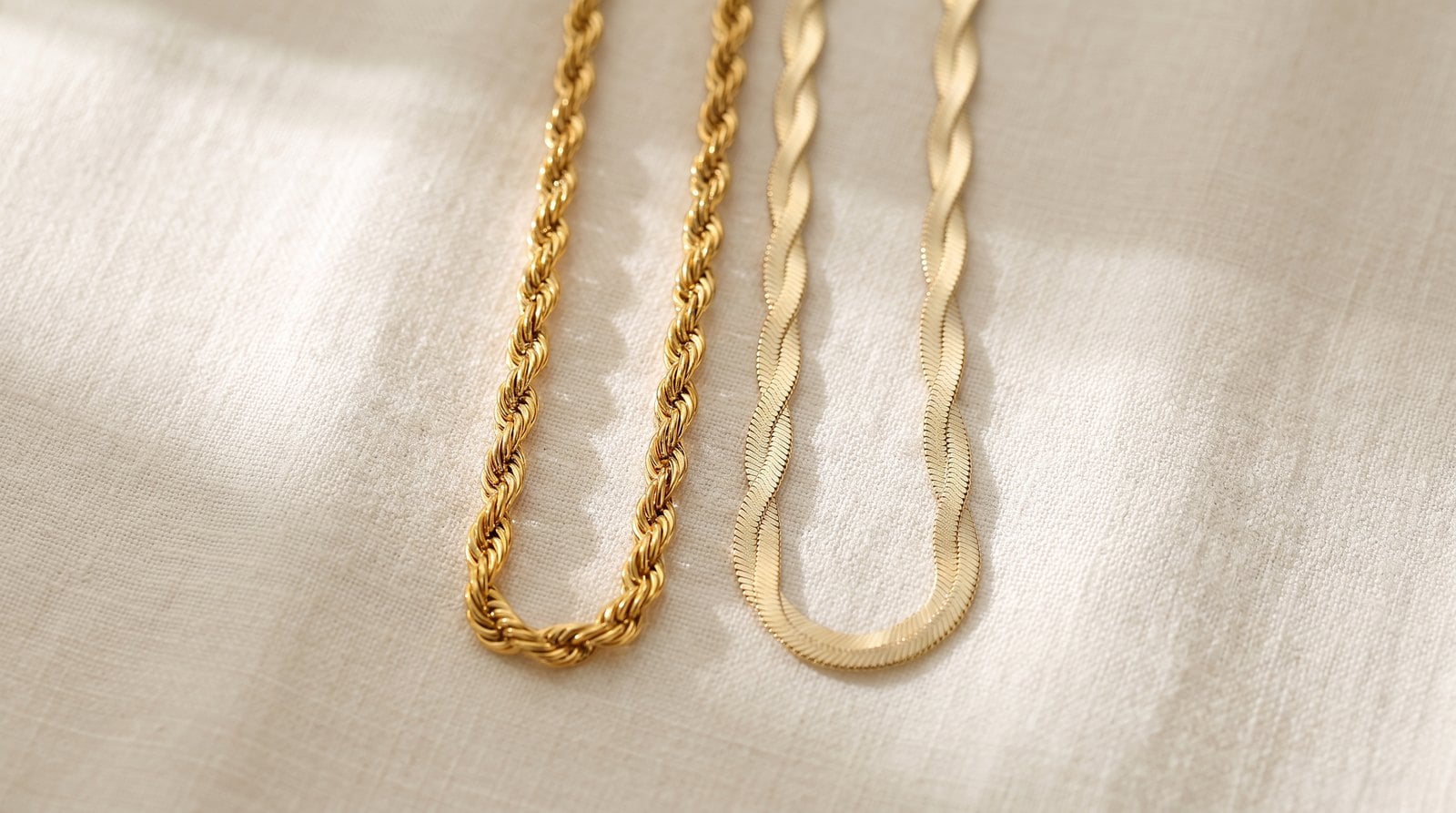
You can browse the full collection at our shop page — a good starting piece is our best-selling rope chain necklace — or start with specific categories:
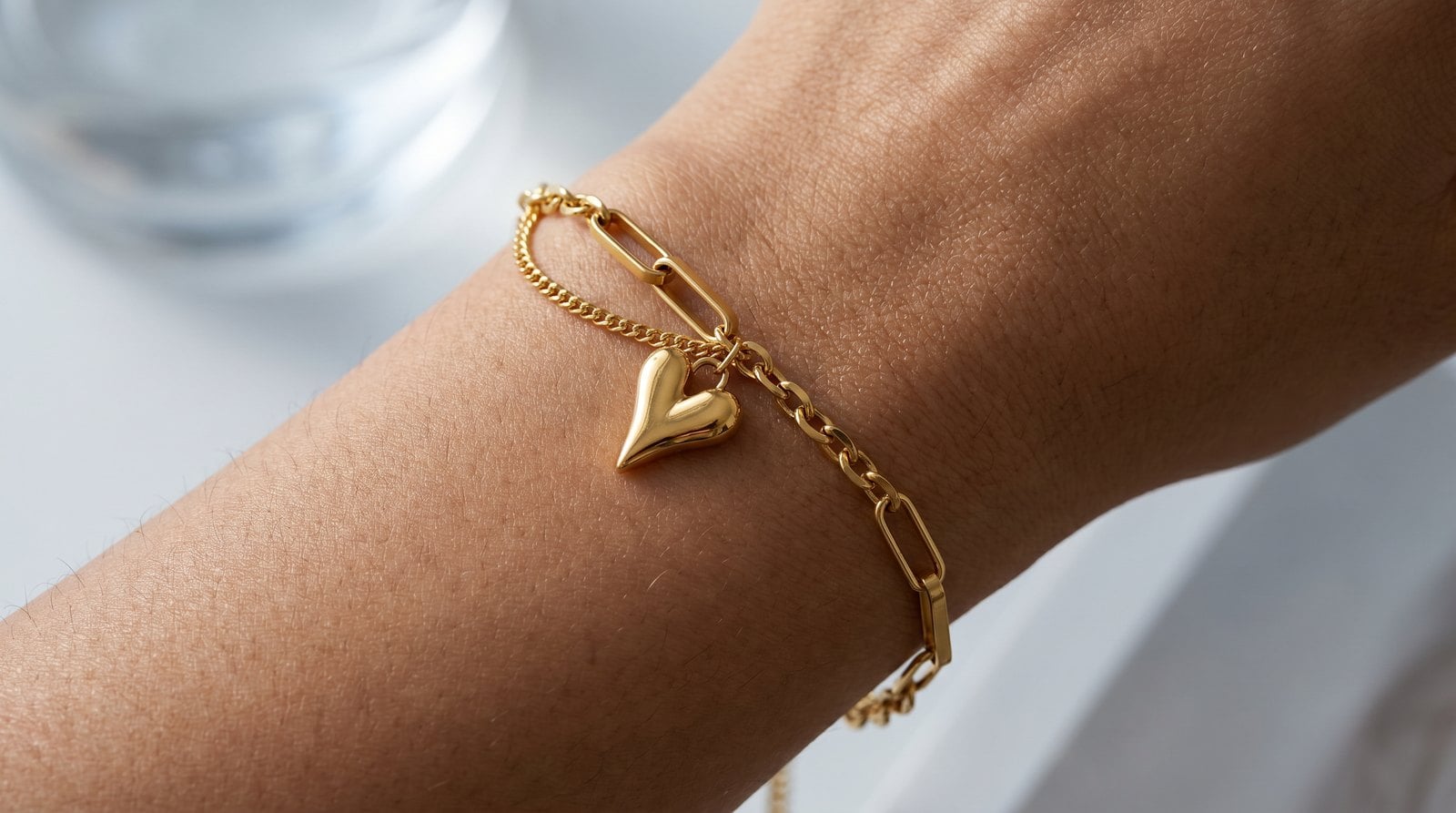
- Our hypoallergenic bracelets include layering staples, charm bracelets, and chain styles.
- Our hypoallergenic earrings cover studs, hoops, drops, and statement pieces — all safe for sensitive ears.
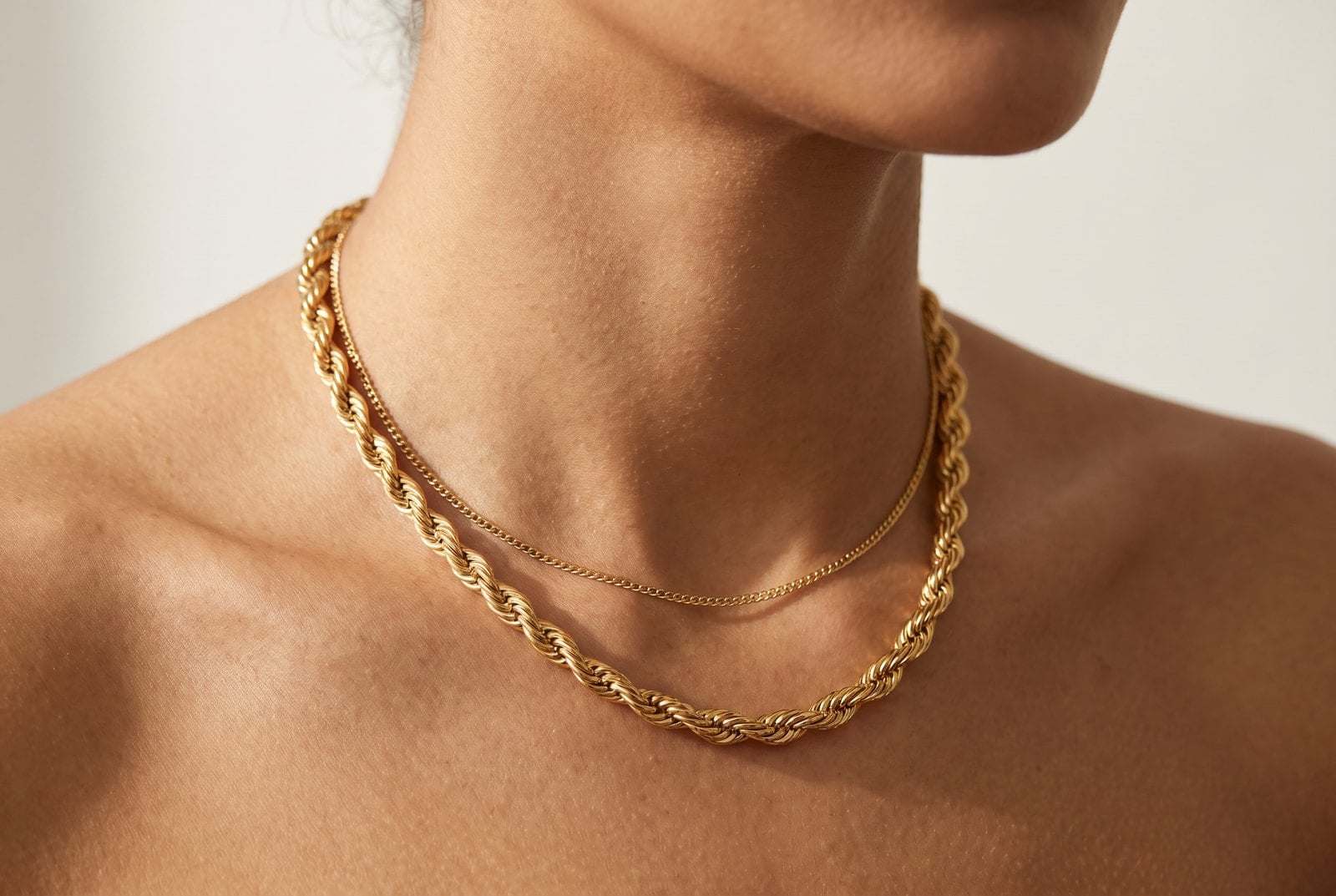
- Our hypoallergenic necklaces include chains, pendants, and layered styles that work with the other pieces in your collection.
- Our adjustable rings are designed to fit any finger without sizing hassle.
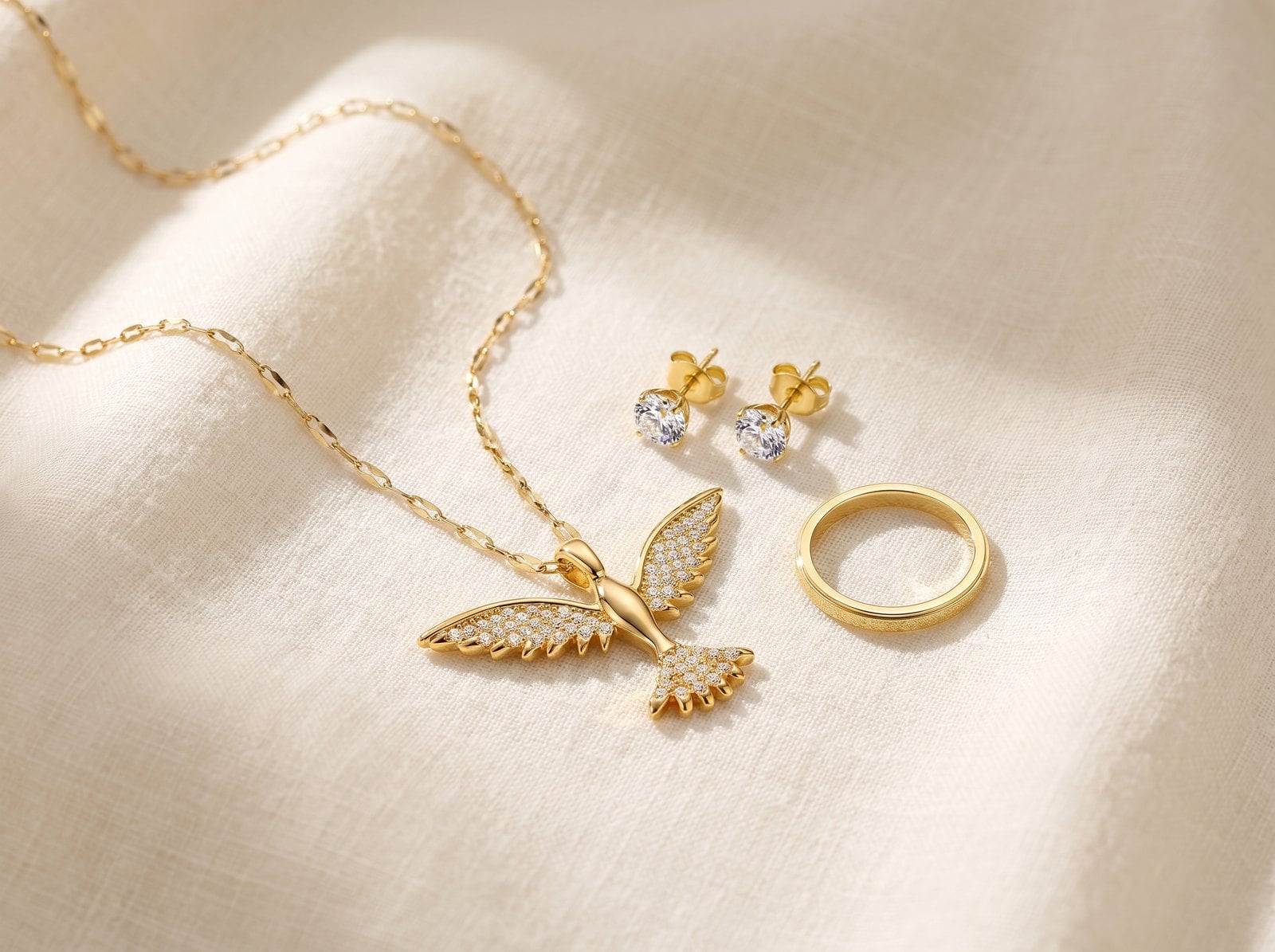
Free shipping across Canada on orders over $75. Every piece ships from our Ontario location, and our full return policy covers you if something doesn't work out.
If you want to see what's new or what's on sale, check new releases and our current sale. And if you want to read more about how to care for gold plated jewelry so it lasts as long as possible, read our companion guides on making gold plated jewelry last longer and on the full comparison between 14K vs 18K gold plated jewelry.
About the Author

Mohammad Aftab is the founder of Glozya, a Canadian 18K gold-plated jewelry brand he launched in 2023. He has over a decade of experience in e-commerce, email marketing, and brand design across DTC, retail, and digital media. He writes about jewelry care, style, and the everyday details that make a piece worth keeping.