14K vs 18K Gold-Plated Jewelry: 2026 Canadian Buyer's Guide
In this guide
If you've been shopping for gold plated jewelry in Canada, you've probably noticed that some pieces are marked 18K gold plated and others are marked 14K gold plated. The difference matters, but probably not in the way most articles online explain it.
Most "14K vs 18K gold" guides on the internet are actually about solid gold engagement rings — where the karat significantly affects durability, price, and long-term wear. But for plated jewelry, the question is completely different. The plating karat affects color and shine, but the piece's real durability comes from what's underneath the plating and how thick the gold layer is. This guide explains what actually matters when you're choosing between 14K and 18K gold plated jewelry in Canada, with specific attention to hypoallergenic and waterproof pieces.
The Quick Answer: Which Is Better?
18K gold plating produces a richer, warmer yellow color that more closely matches the appearance of fine gold jewelry. It also holds that color consistency better as the plating ages. 14K gold plating looks slightly paler and cooler, and the color difference becomes more visible over time.
However — and this is the part most guides miss — the plating karat isn't what determines whether your piece lasts six months or six years. That's determined almost entirely by two other factors: the base metal underneath the plating, and the thickness of the plating layer. A thick 14K plating over stainless steel will outlast a thin 18K plating over brass every single time. If you want to understand why that's true, our guide on what 18K gold plated jewelry actually means walks through the full picture.
So the real buying decision isn't 14K vs 18K. It's "which brand uses quality materials and stands behind their plating." Within that decision, 18K gold plating gives you a better-looking piece.
What "Gold Plated" Actually Means
Before comparing 14K and 18K plated jewelry, it helps to be clear about what plating is and isn't.
Gold plated jewelry consists of two parts working together. A base metal — usually stainless steel, brass, or copper — is formed into the shape of the piece and gives it structure, weight, and strength. A thin layer of real gold is then chemically bonded to the surface of that base metal through a process called electroplating. The base metal is what you actually own most of; the gold is a surface layer that gives it the appearance of fine gold jewelry at a fraction of the price.
The "karat" number in plated jewelry refers specifically to the purity of the gold being applied as a surface layer. It tells you nothing about the base metal or the thickness of that layer — just how pure the gold itself is. And pure gold, regardless of how it's applied, follows the same rules:
- 24K gold — 100% pure gold, extremely soft, rarely used for plating because it's too delicate to hold up to daily wear
- 18K gold — 75% pure gold mixed with 25% other metals for durability and color control, the standard for rich-looking plating
- 14K gold — approximately 58% pure gold mixed with 42% alloy metals, paler in color and slightly harder
- 10K gold — approximately 42% pure gold, minimum legal purity to be called "gold" in Canada and the United States
When you see "18K gold plated" on a product page, it means the plating contains a gold layer that's 75% pure gold. "14K gold plated" means the plating contains a gold layer that's roughly 58% pure gold. The rest of each alloy is other metals — usually copper and silver in varying ratios that influence the final color.
The Real Difference: Color and Shine
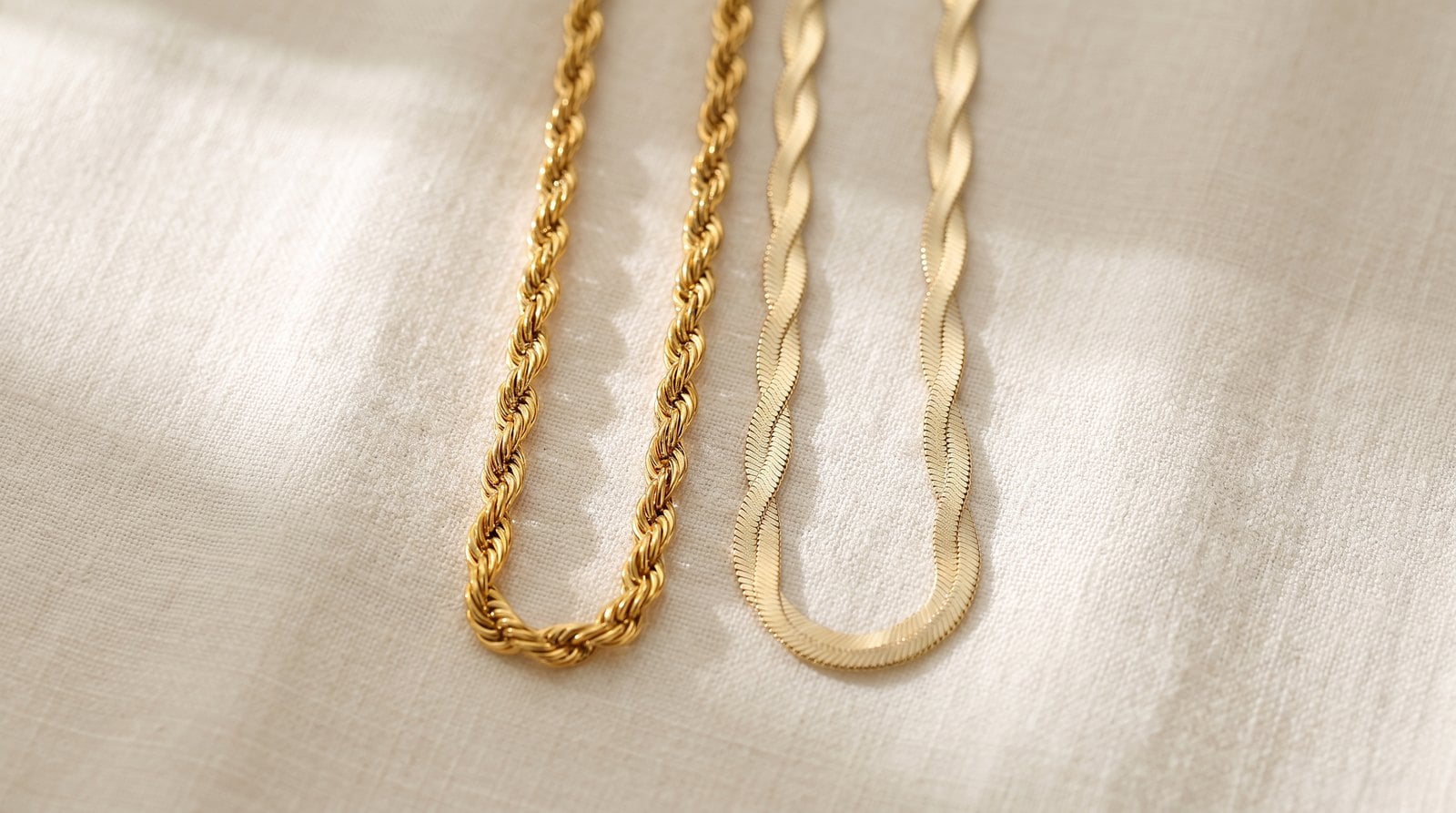
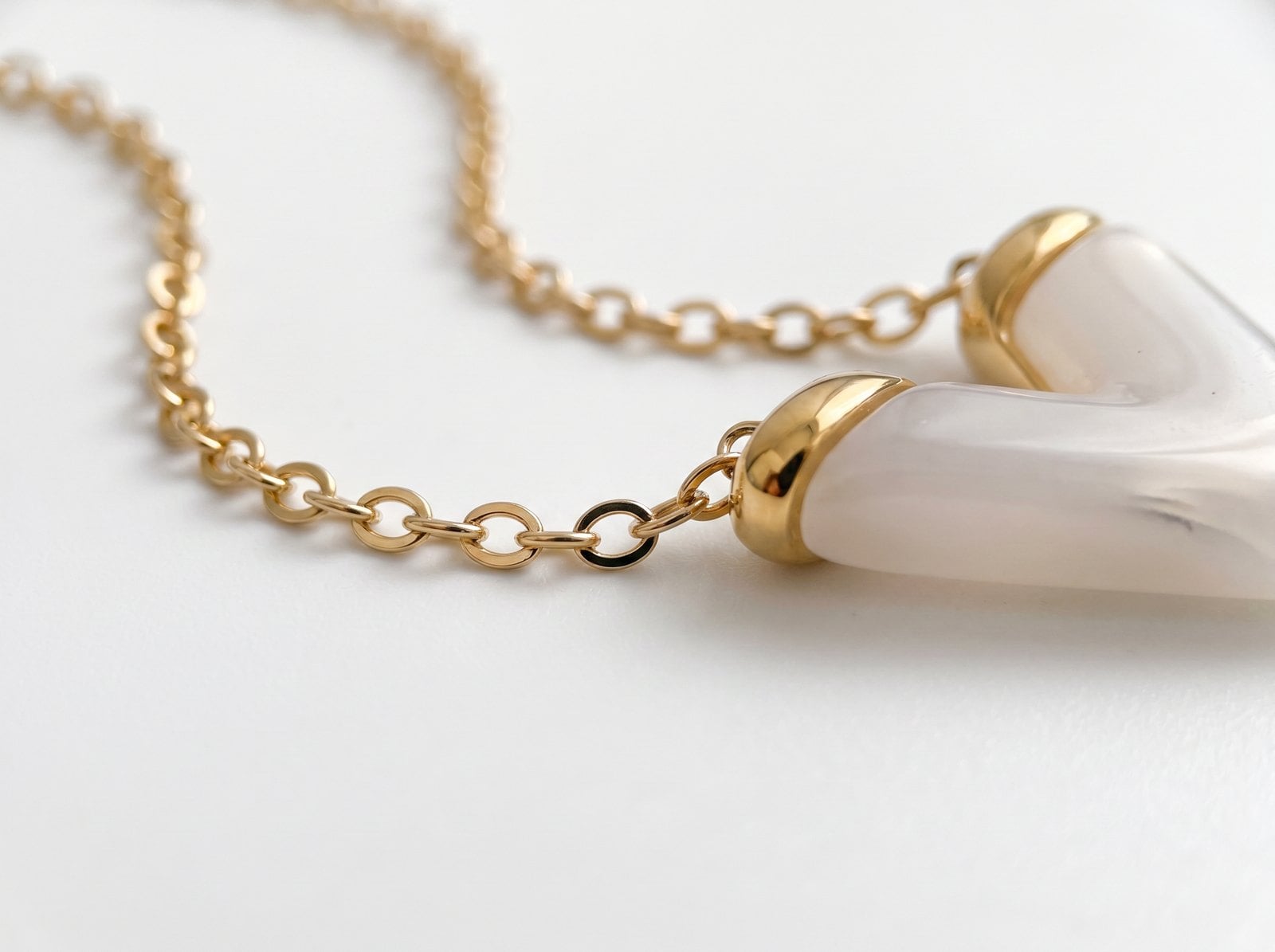
The most noticeable difference between 14K and 18K gold plated jewelry is the color of the gold layer itself. This shows up the moment you see two pieces side by side.
18K gold plating looks richer and warmer. With 75% pure gold content, the plating has a deeper, more saturated yellow — closer to what most people picture when they think "gold jewelry." It has an almost buttery warmth to it. This is why high-end costume jewelry and mid-priced gold plated pieces from quality brands almost always use 18K plating: it looks more expensive because it is, by gold content, more expensive per micron.
14K gold plating looks paler and slightly cooler. With more alloy metals mixed in, the yellow is less saturated. Depending on the specific alloy blend, 14K plating can lean slightly toward a greenish-yellow or a lighter yellow. It's still clearly a yellow-gold color, but it doesn't have the same "fine jewelry" warmth that 18K plating has.
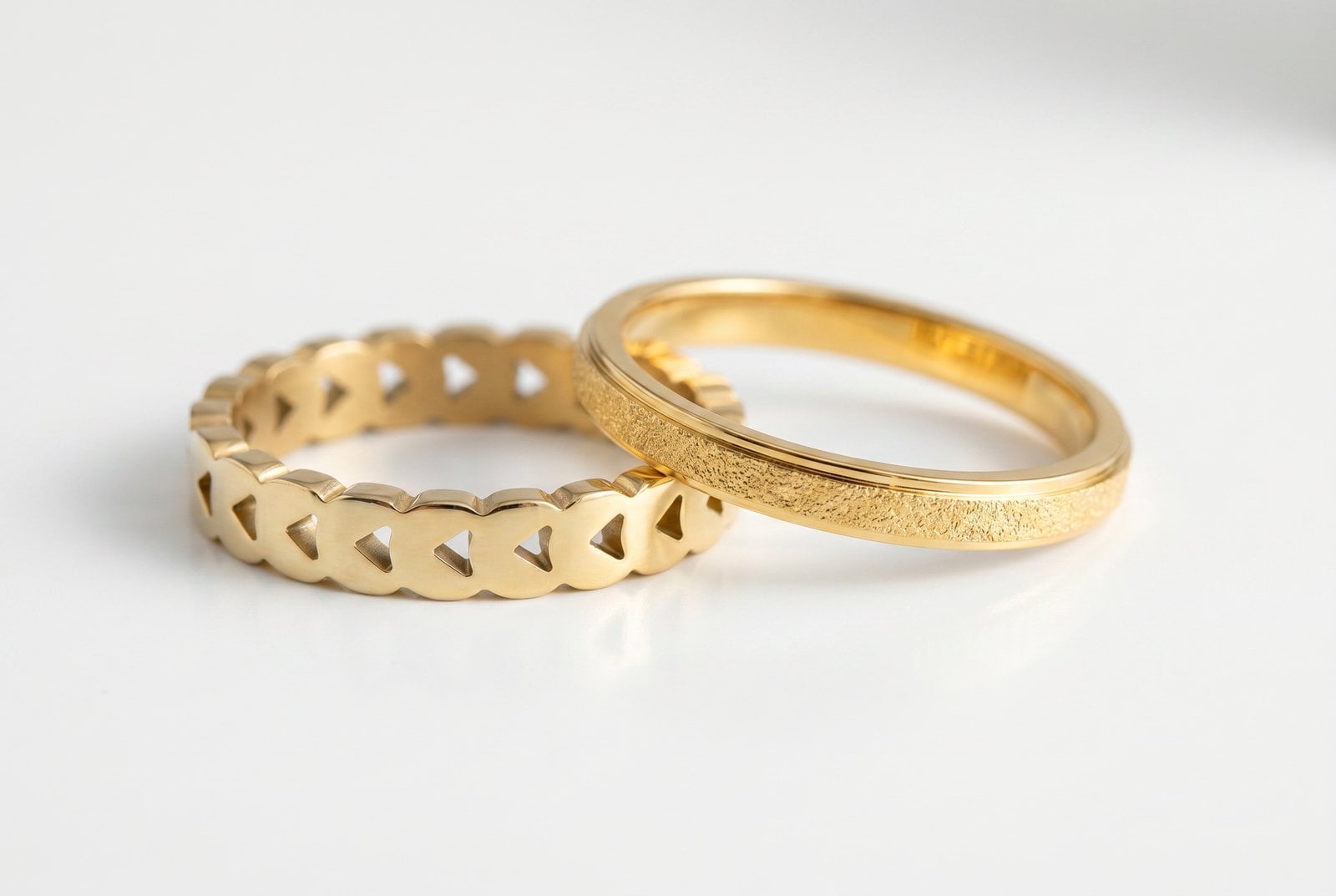
The color difference is real but subtle in photographs. In person — especially in natural light — it's obvious. If you're comparing two pieces with equivalent construction quality, the 18K plated version will look more like fine gold than the 14K plated version will.
— The Glozya Journal
14K GOLD PLATING
58.5%
Pure gold content in the plating alloy. Slightly cooler, lighter gold tone. More alloy metals present.
18K GOLD PLATING
75%
Pure gold content in the plating alloy. Richer, warmer, deeper gold tone. Closer to fine jewelry appearance.
Over time, the color gap narrows or widens depending on care. As plating wears (which happens to all plated jewelry eventually, regardless of karat), 14K plated pieces tend to show wear more quickly because the lower gold content means the surface appearance depends more on those alloy metals — and alloy metals can tarnish or discolor in ways that pure gold doesn't. 18K plating ages more gracefully because the higher pure gold content means the surface stays closer to its original look even as it thins.
Why Durability Has Almost Nothing to Do With Karat
This is where most articles get the 14K vs 18K plated question wrong. They take durability information from the solid-gold world — where 14K is genuinely harder and more scratch-resistant than 18K — and apply it incorrectly to plated jewelry.
In solid gold, karat affects durability because you're dealing with a significant volume of metal. A solid 14K ring has 42% alloy metals distributed throughout the entire piece, making it harder across its full thickness. A solid 18K ring is softer throughout.
In plated jewelry, the gold layer is measured in microns — typically between 0.5 and 5 microns thick. Even if the 14K plating layer is marginally harder than an 18K plating layer of the same thickness, that difference is microscopic and gets abraded by normal wear within weeks or months regardless. What you're actually wearing, day to day, is the base metal underneath. The plating is just the color you see.
So durability in plated jewelry really comes from three factors:
- The base metal. Stainless steel (specifically 316L, a corrosion-resistant grade commonly used for durable jewelry) doesn't tarnish, doesn't react with water or skin, and doesn't turn skin green. Brass and copper bases oxidize quickly once the plating wears thin, which is why cheap fashion jewelry fails so visibly after a few months.
- The plating thickness. A plating layer of 2.5+ microns will outlast a layer of 0.5 microns by years. Thick plating simply has more gold to wear through before the base metal shows. Unfortunately, thickness is rarely disclosed on product pages — which is why brand reputation and warranty policies matter.
- How the piece is worn. Chlorinated pool water, perfumes, lotions, and friction all accelerate plating wear. A well-cared-for thin plating often outlasts a neglected thick plating. Our guide on making gold plated jewelry last longer covers specific routines.
If durability is your primary concern, the question isn't 14K vs 18K. It's "is this brand using hypoallergenic stainless steel as the base?" and "is the plating thick enough to survive daily wear?" Those two questions matter infinitely more than the plating karat.
Price Differences and What You Actually Pay For
18K gold plated jewelry tends to cost slightly more than 14K gold plated jewelry from the same brand, all else being equal. That's because the plating material itself is more expensive per gram — 18K gold contains more pure gold, and the materials cost is real.
But the difference is usually small — often just a few dollars per piece for equivalently-sized jewelry. A 14K plated chain and an 18K plated chain of the same length and weight might differ in wholesale cost by 5-10%. That gets passed to the customer, but it's rarely the dominant factor in the retail price. What actually drives plated jewelry pricing is three bigger factors:
- Base metal quality. Stainless steel costs more than brass. Sterling silver costs significantly more than stainless steel. Brands using quality bases charge more for that reason, and the price difference is far more meaningful than the plating karat.
- Plating thickness. A piece with 3-micron plating costs the manufacturer several times more to produce than a piece with 0.5-micron flash plating. This is often where the real price differentiation happens.
- Design, finish, and brand. Custom designs, hand-finishing, quality control, packaging, customer service, and warranty all factor into retail price. A $50 piece from a quality brand often costs meaningfully less to produce than its price suggests — the extra goes into infrastructure that supports durability.
So if you're comparing two pieces and one is "14K plated" at $20 and one is "18K plated" at $45, the plating karat is not the real explanation for the price gap. The $45 piece almost certainly has a better base metal, thicker plating, or both. The plating karat is almost a side detail.
To put the price question in practical terms: imagine three pieces sitting side by side at similar retail prices around $45.
| Factor | Piece A — 14K over brass | Piece B — 18K over brass | Piece C — 18K over 316L steel |
|---|---|---|---|
| Plating karat | 14K (58% pure) | 18K (75% pure) | 18K (75% pure) |
| Base metal | Brass | Brass | 316L stainless steel |
| Plating thickness | 1 micron | 1 micron | 2.5 micron |
| Initial appearance | Pale, cooler gold | Rich, warm gold | Rich, warm gold |
| After 6 months | Yellowing, base showing | Plating worn, base showing | Holds appearance |
| Skin reaction risk | Yes (brass oxidizes) | Yes (brass oxidizes) | None — hypoallergenic |
Piece A and Piece B will look similar when new, but Piece A fades faster because 14K plating yellows less gracefully over time. Both A and B will show base-metal corrosion within months because brass oxidizes. Piece C starts with a richer gold tone and is designed to hold up better with proper care because the stainless steel base doesn't react and the thicker plating has more gold to wear through. That's the real value comparison — and in that comparison, the plating karat is genuinely a minor factor compared to construction choices most buyers never see on the product page.
When 14K Plated Makes Sense
There are a few specific scenarios where 14K plated jewelry is a genuinely reasonable choice.
If you prefer cooler, paler gold tones. Some people find 18K plating too warm or too yellow for their skin tone and style. 14K plating's slightly cooler color can complement cool-toned outfits, silver accessories, and cooler skin undertones in ways that warm 18K yellow doesn't. This is a genuine aesthetic preference, not a durability argument.
If you're mixing metals with white gold or platinum. 14K plated pieces can blend visually with silver or white gold pieces more naturally than 18K plated pieces do. If your existing jewelry wardrobe leans cool-toned, 14K plated pieces might integrate better.
If the piece's price specifically makes 14K worth choosing over 18K. Occasionally you'll find a design you love that only comes in 14K plated, or you'll find a significant price gap where the 14K option is substantially cheaper. In those cases, 14K plated from a quality brand can be the right practical choice.
When 18K Plated Makes Sense (Usually: Always)
For most Canadian buyers shopping plated jewelry, 18K gold plated is the default better choice. Here's when that's especially true:
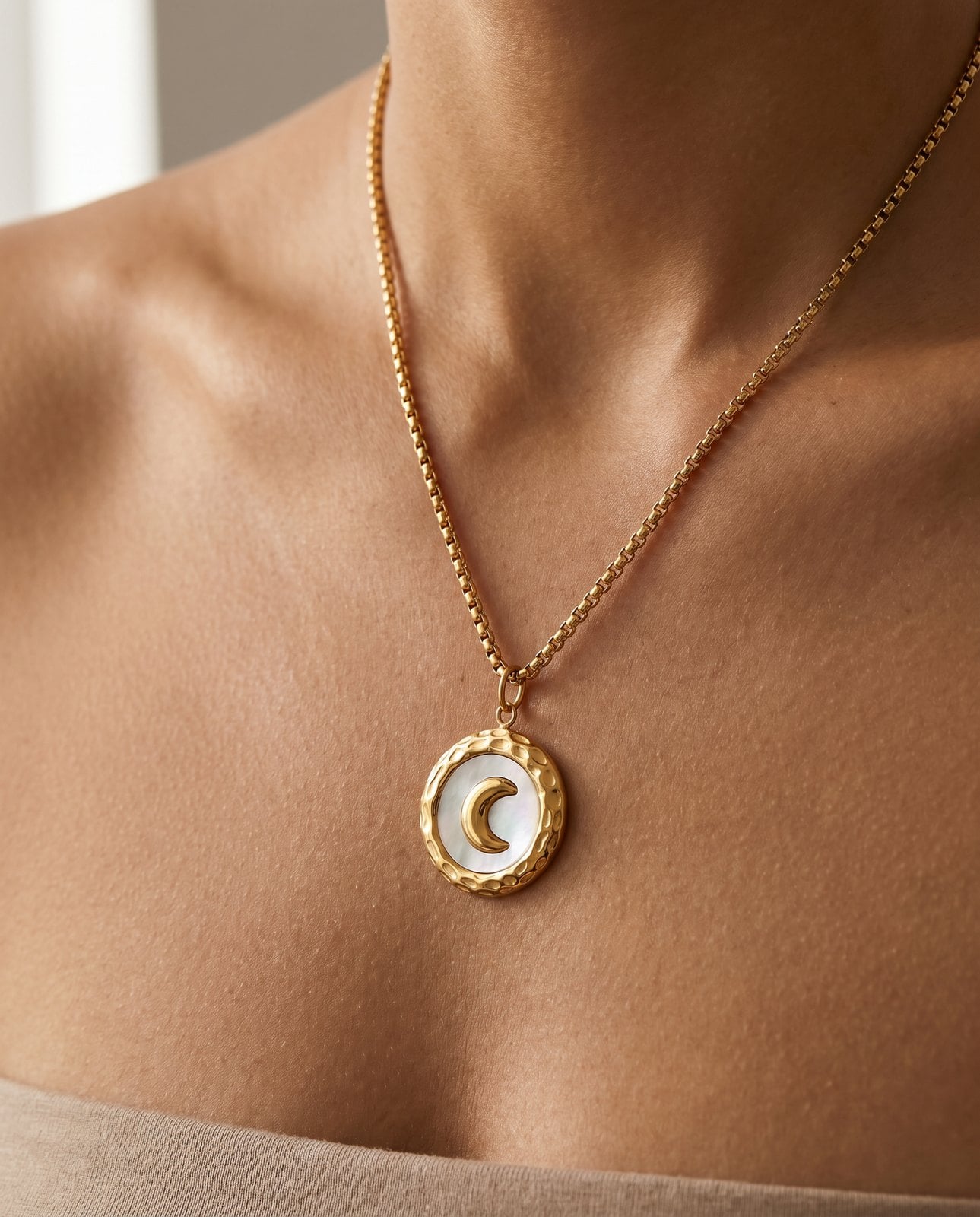
If you want jewelry that looks like fine gold. 18K plating produces the most realistic fine-jewelry appearance available in the plated category. The color is warm, the shine has depth, and the piece photographs and looks like "real gold" in everyday viewing. This is why every piece in our catalog uses 18K plating.
If you're wearing the piece daily. Daily wear means the plating is constantly being judged against your skin and clothes in various lighting. 18K's richer color holds up to visual inspection better than 14K does — you're less likely to look down at your wrist and think "that doesn't look quite like gold anymore."
If you have warm skin undertones. Warm skin tones (golden, olive, tan) tend to pair more naturally with warm 18K yellow than with cooler 14K yellow. Most people fall somewhere in this range.
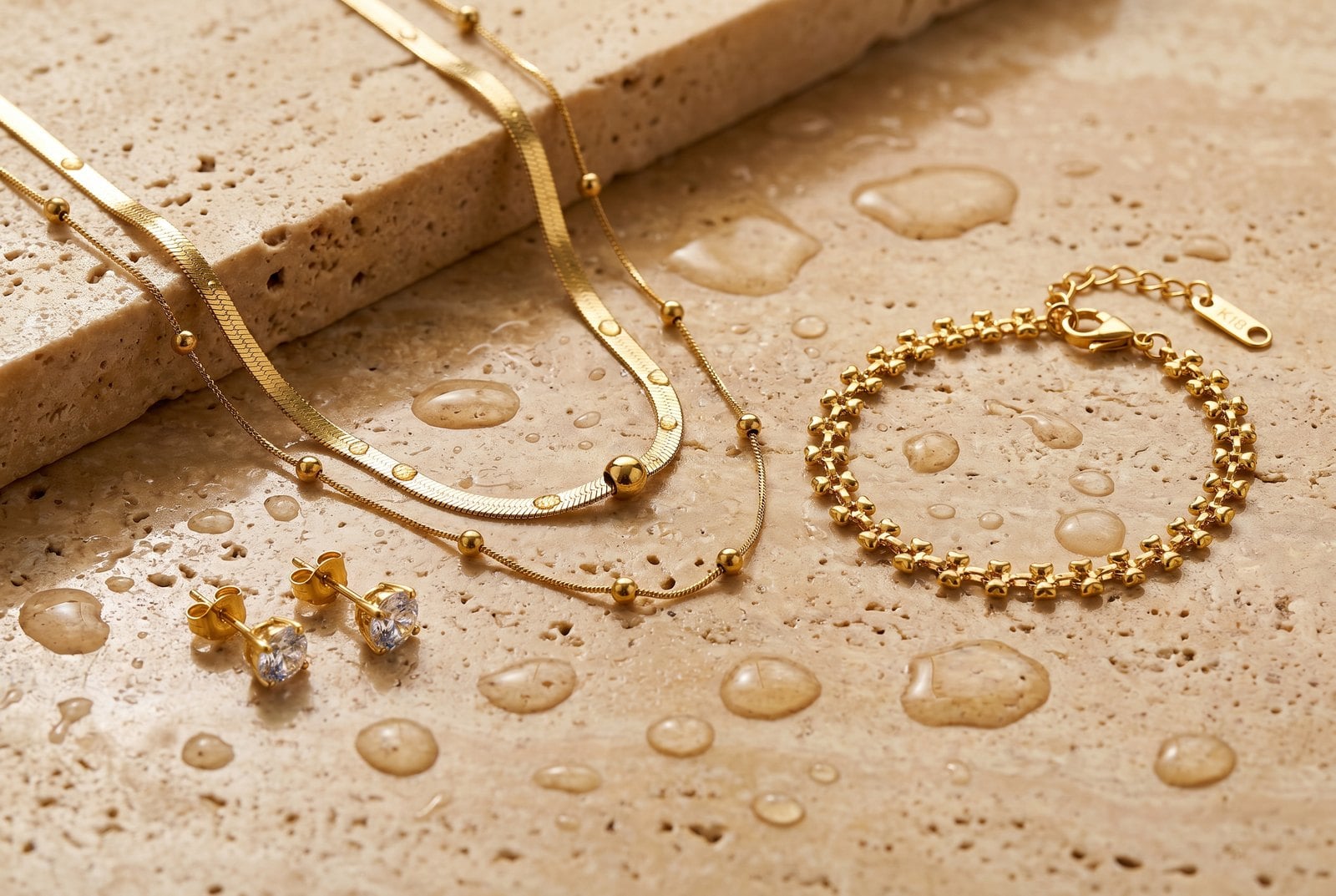
If the piece needs to survive water exposure. This is where 18K plated jewelry combined with a stainless steel base — like our hypoallergenic bracelets, earrings, and necklaces — really shines. The 18K plating gives you the color you want, and the stainless steel base handles the shower, pool, and gym exposure that would destroy pieces built over brass. Our adjustable love bracelet is a good example of that build.
If you're gifting. Gift recipients don't usually know the karat differences, but they notice color. An 18K plated gift looks more expensive at first glance, which matters for the gift-giving impression.
Why Glozya Only Makes 18K Gold Plated Jewelry
Every piece in the Glozya catalog uses 18K gold plating over 316L hypoallergenic stainless steel. This wasn't a default choice — it was a specific decision about what Canadian buyers actually need.
Canadian winters are dry and harsh on jewelry. Our summers are humid. Our bathrooms are steamy. Our workouts are sweaty. And many of our customers have sensitive skin that reacts to the cheaper nickel-containing alloys found in some fine gold and in most budget fashion jewelry. The combination of 18K plating over stainless steel addresses all of those realities at once:
- 18K plating gives the richest, warmest gold color — the look you want when you invest in jewelry
- Stainless steel base is genuinely hypoallergenic — safe for sensitive skin, no nickel exposure, no turning skin green as plating ages
- Waterproof construction — shower, pool, gym, sweat all survivable because the base metal doesn't react
- Tarnish-free over time — even as plating eventually thins after years, the steel underneath stays clean-looking
We don't make 14K plated jewelry and have no plans to. The 14K plated category serves a niche of buyers who specifically want cooler-toned gold, and that niche is small enough that we've focused our entire catalog on the option that works for the broader Canadian market.
You can browse the full collection at our shop page, explore specific categories for bracelets, earrings, necklaces, or adjustable rings, or check what's new and what's currently on sale. Free shipping across Canada on orders over $75.
For more on the care side of gold plated jewelry — which matters far more than the karat once you've bought quality pieces — read our guides on making gold plated jewelry last longer and on the difference between gold plated, gold filled, and solid gold so you understand what you're actually buying at each price tier.
About the Author

Mohammad Aftab is the founder of Glozya, a Canadian 18K gold-plated jewelry brand he launched in 2023. He has over a decade of experience in e-commerce, email marketing, and brand design across DTC, retail, and digital media. He writes about jewelry care, style, and the everyday details that make a piece worth keeping.