Hypoallergenic Jewelry for Sensitive Skin: A Canadian Buyer's Guide
In this guide
The safest jewelry for sensitive skin is made from a metal that either contains no reactive nickel or keeps the nickel it does contain sealed away from your skin — implant-grade titanium, niobium, solid gold, and PVD-coated 316L surgical stainless steel all qualify. The word *hypoallergenic* has no legal definition in Canada, so it's the material underneath that matters, not the label on the tag. This guide compares every common jewelry metal, explains why *nickel-safe* is a more honest promise than *nickel-free*, and shows you how to verify a seller's claims before you buy.
What Does "Hypoallergenic" Actually Mean?
*Hypoallergenic* literally means "below normal" allergy-causing potential — not "zero." It's a marketing term, not a regulated standard. There is no Health Canada or FDA definition a piece of jewelry must meet to use the word, so a seller can print *hypoallergenic* on gold-plated brass that will turn your skin green in a month.
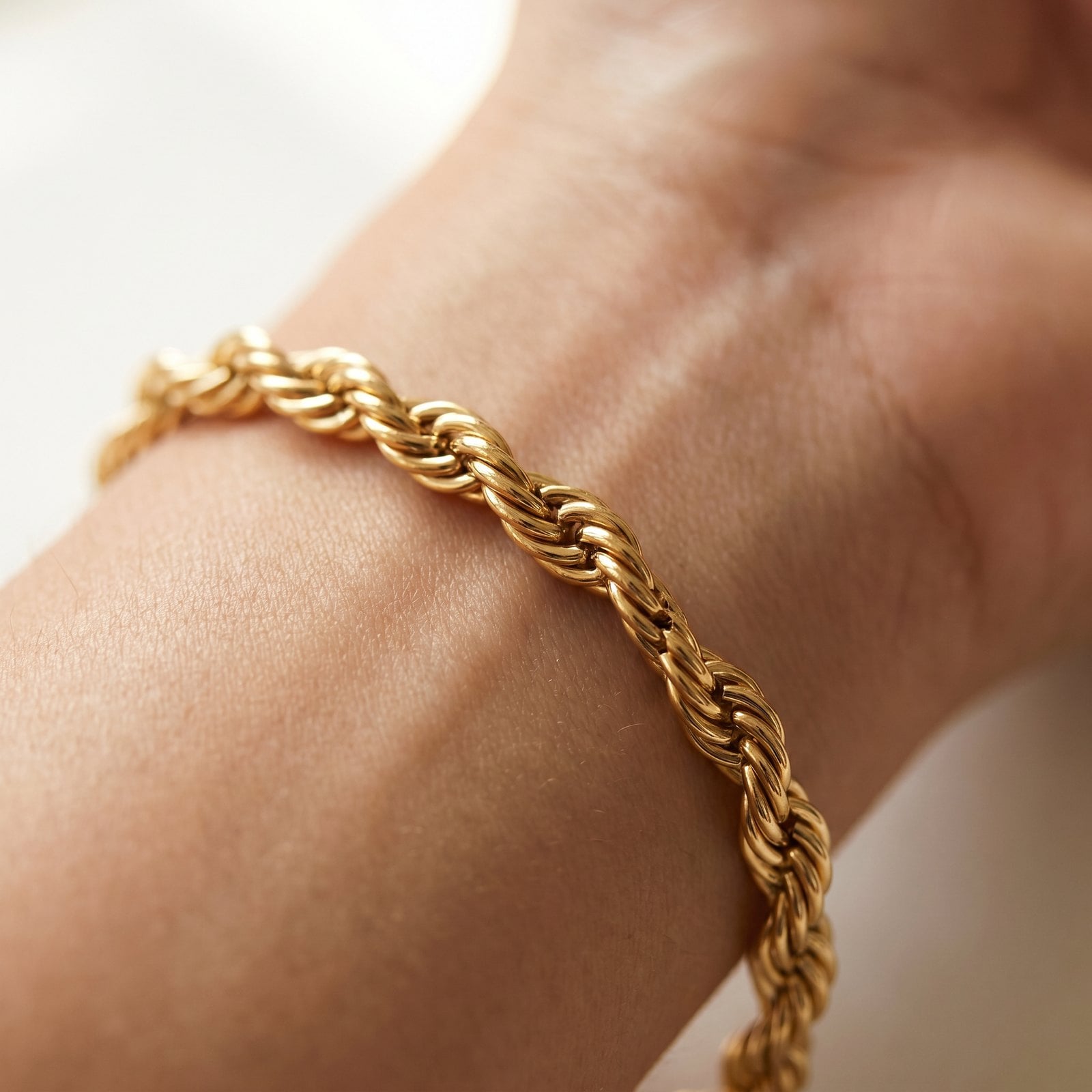
That's why the label alone is meaningless for sensitive skin. What actually determines whether a piece will react is the metal it's made from and, for plated jewelry, what base metal sits underneath the coating. A genuinely hypoallergenic piece is one whose skin-contact surface either contains no reactive nickel or keeps any nickel permanently sealed away. Everything else in this guide is about reading past the word to the material.
Why Is Nickel the Problem for Sensitive Skin?
Nickel is the most common cause of allergic contact dermatitis — the red, itchy, sometimes blistered rash people get from jewelry. Health Canada and dermatology research estimate that roughly 10–20% of Canadian women and a smaller share of men have some degree of nickel sensitivity, and it tends to develop over time from repeated exposure. Once you're sensitized, even tiny amounts of nickel released onto damp skin can trigger a reaction.
The mechanism matters for shopping. It isn't the *presence* of nickel in an alloy that reacts your skin — it's nickel ions dissolving out of the metal and onto your skin, usually helped along by sweat, humidity, or a broken skin barrier. This is the single most important idea in this whole guide, because it's the reason a metal can contain nickel and still be safe: if the nickel is locked into the alloy structure and can't release, your skin never sees it. The European Union sets a legal limit on how much nickel jewelry may release (the EU Nickel Directive), which is exactly why *release*, not *content*, is the number that counts.
The Best Metals for Sensitive Skin, Compared
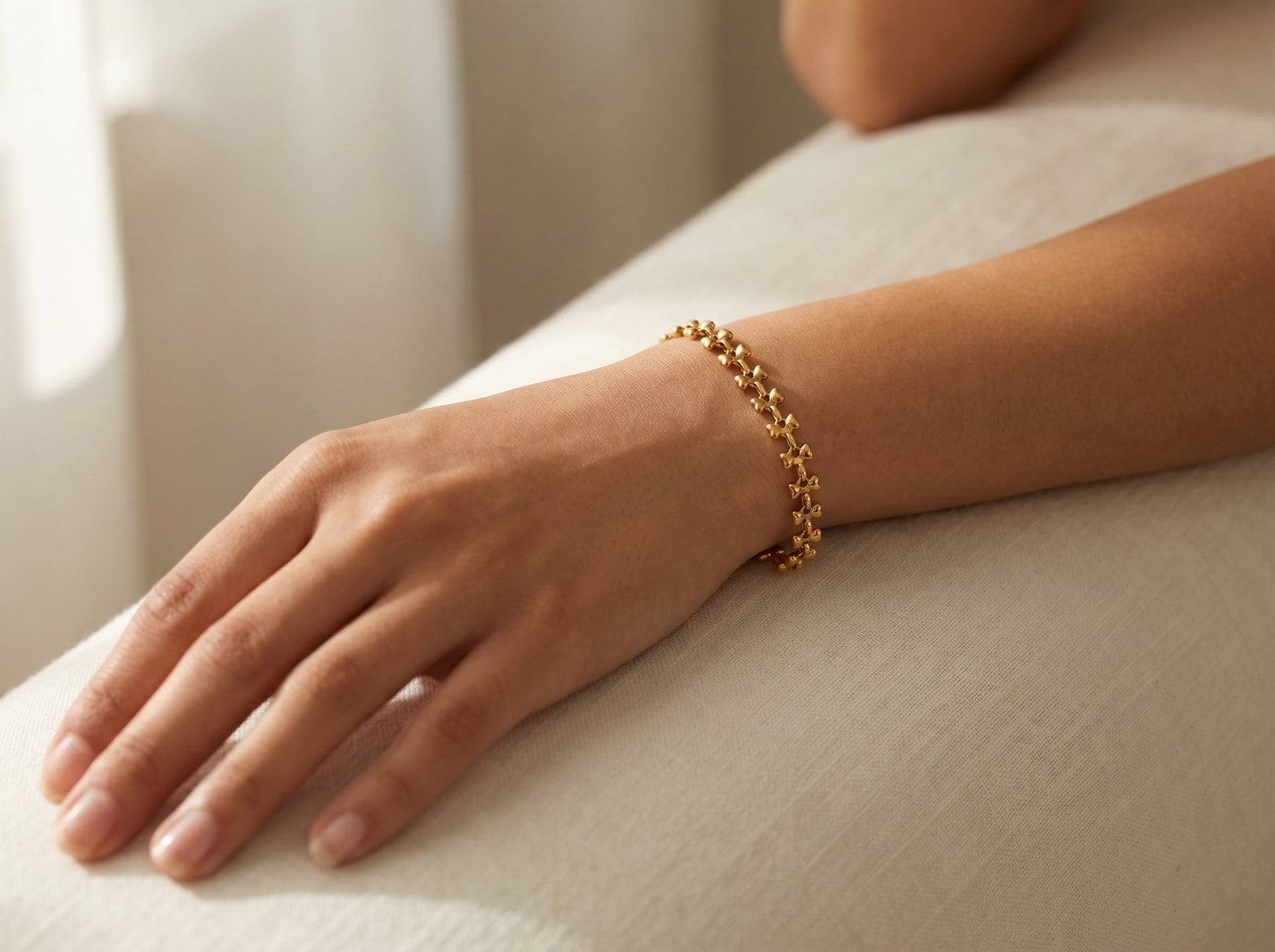
Most "metals for sensitive skin" guides push titanium and niobium as the only safe options and treat everything else as risky. The truth is more useful: several metals are safe for different budgets and different pieces. Here's an honest, side-by-side comparison across the four things that actually decide a purchase — whether the metal releases nickel onto skin, whether it survives water, typical price, and what it's best for. The Glozya column is highlighted because it's the one that combines nickel-safe wear with an under-$50 price.
| Metal | Nickel release | Water-safe | Typical price | Best for |
|---|---|---|---|---|
| Implant-grade titanium | None | Yes | $$$ | The most reactive ears; medical-grade safety |
| Niobium | None | Yes | $$$ | Reactive ears; colored anodized pieces |
| Solid gold (14K+) | Very low | Yes | $$$$ | Heirloom pieces; lifetime wear |
| 18K gold PVD 316L steel (Glozya) | Sealed / nickel-safe | Yes | $ | Everyday hypoallergenic wear under $50 |
| Gold vermeil | Low (until it wears) | Water-resistant | $$ | Occasional wear; not daily/wet use |
| Sterling silver | Usually low* | Water-resistant | $$ | Dry wear if not silver-sensitive |
| Gold-plated brass | High once plating wears | No | $ | Avoid for sensitive skin |
\*Sterling silver is 92.5% silver; the remaining 7.5% is usually copper, but some cheaper alloys include nickel, and a minority of people react to silver itself. Two patterns stand out from the table. First, titanium and niobium are the gold standard for the most reactive skin — but they're expensive and mostly limited to studs and simple pieces. Second, the affordable end splits sharply: PVD-coated 316L stainless steel is nickel-safe, while gold-plated brass is one of the worst choices for sensitive skin. They can look identical on a product page and cost about the same, which is exactly why reading the material matters more than the price.
If you want to understand the plated-gold options in more depth before deciding, our breakdown of gold plated vs gold filled vs solid gold explains how each construction is built and how long it lasts.
Is Nickel-Free Jewelry Real? Why We Say Nickel-Safe Instead
This is the point competitors get wrong, and it's worth getting right. Searchers type *nickel-free earrings* because that's the language they know, and plenty of sellers oblige by slapping *nickel-free* on 316L surgical steel — a material that is about 8–12% nickel by weight. The claim is technically false, even when the product is genuinely safe to wear.
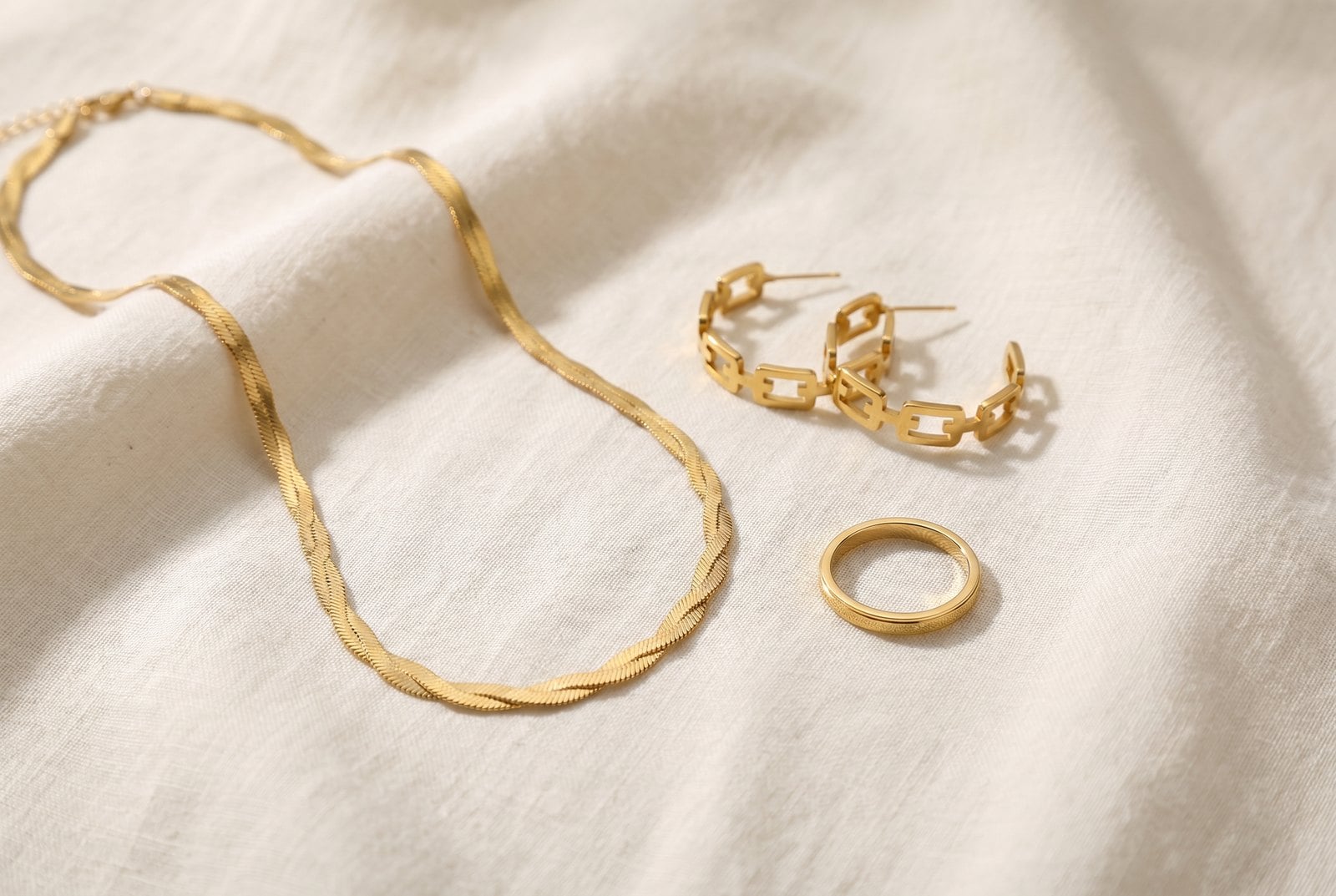
Here's what's really happening. In 316L stainless steel, nickel is dissolved into the crystal structure of the alloy, not sitting loose on the surface. Bound that way, it releases almost no ions — which is why 316L is the standard for surgical implants and skin-contact medical tools. On a Glozya piece, that steel core is then sealed under an 18K gold layer bonded by PVD (Physical Vapor Deposition), adding a second barrier between the nickel and your skin. The nickel is present; your skin never contacts a meaningful amount of it. *Nickel-safe* describes that honestly. *Nickel-free* would be a marketing lie.
Nickel in 316L
~8–12%
By weight — bound inside the alloy structure, not free on the surface.
Nickel release
Minimal
Sealed in the alloy and, when plated, under a PVD gold layer — the number that decides reactions.
Honest label
Nickel-safe
Not nickel-free — we use the accurate term because your skin never contacts releasing nickel.
For the full material verdict on why 316L behaves this way — and whether it qualifies as hypoallergenic in the strict sense — see our dedicated guide on whether 316L stainless steel is hypoallergenic. The short version: it's the affordable nickel-safe workhorse of sensitive-skin jewelry.
How Do You Verify a Seller's "Hypoallergenic" Claim?
**To verify a *hypoallergenic* claim, ignore the word and demand a named skin-contact metal — 316L stainless steel, implant-grade titanium, niobium, or solid gold — then confirm the base metal on plated pieces and whether the gold is PVD-bonded.** Because *hypoallergenic* is unregulated, the burden of proof is on you: a trustworthy seller names the exact alloy and doesn't hide behind vague words. Run every listing through these five checks before buying jewelry for sensitive skin.
- Find the named alloy. Look for a specific material — *316L stainless steel*, *implant-grade titanium*, *niobium*, *14K/18K solid gold*. "Hypoallergenic alloy" or "tarnish-free metal" with no name is a red flag.
- Distrust "nickel-free" on steel. If a listing says *nickel-free surgical steel*, the seller either doesn't understand the material or is willing to mislabel it. Nickel-safe is the phrase an honest steel seller uses.
- Check the base metal on plated pieces. *Gold plated* means nothing until you know what's underneath. Plated on 316L stainless steel = safe; plated on brass = avoid for sensitive skin.
- Ask how the gold is bonded. PVD bonding fuses gold at a molecular level and lasts for years; traditional electroplating wears through in months, exposing the reactive base metal underneath.
- Read the wear and care guidance. A brand confident in its materials tells you to wear the piece in the shower and gym. If the care notes say "keep dry, remove before sweating," the base metal is probably reactive.
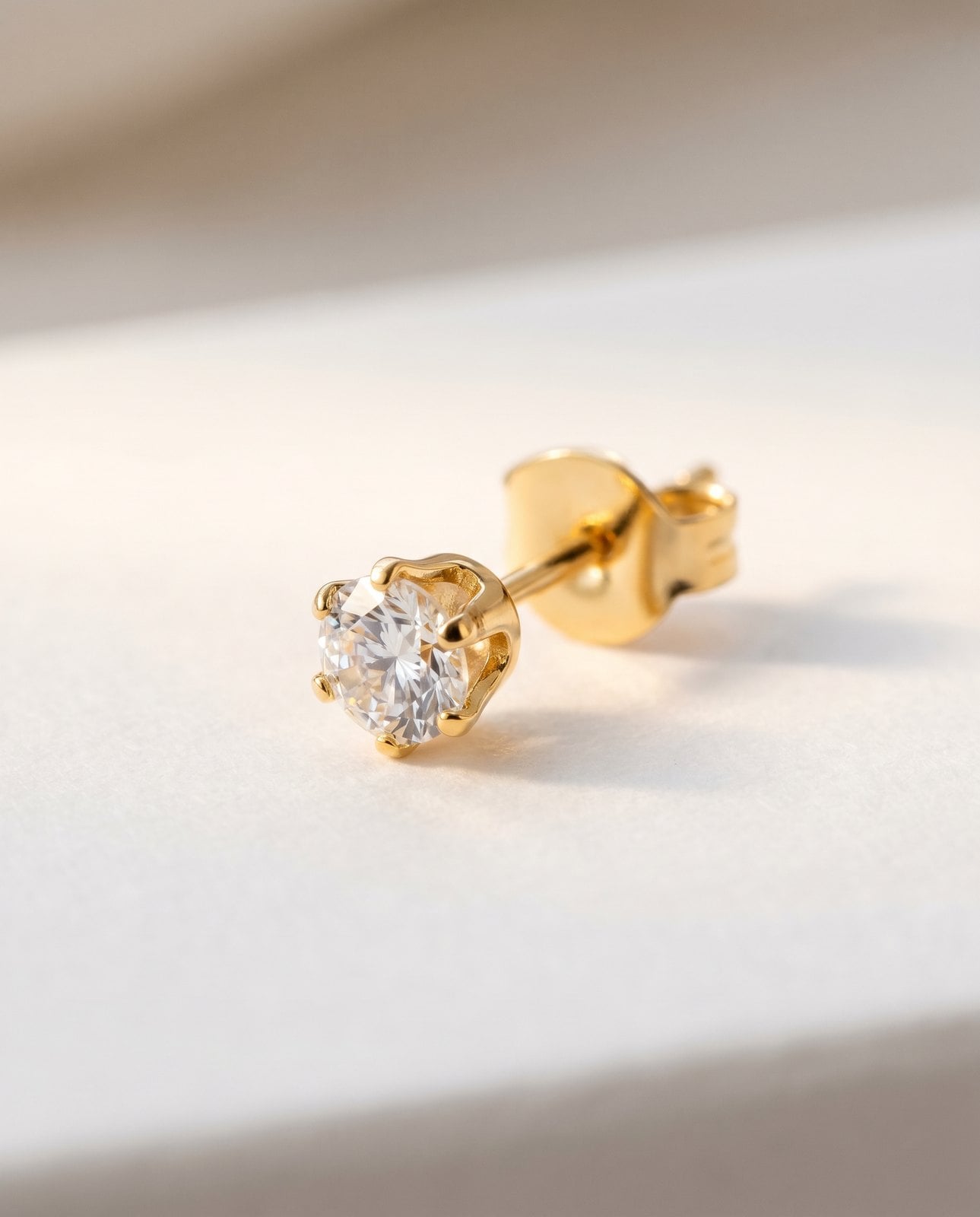
You can see this standard applied on our nickel-safe hypoallergenic jewelry collection: every listing names 316L surgical stainless steel, states the PVD-bonded 18K gold, and uses *nickel-safe* rather than the inaccurate *nickel-free*.

What Are the Best Earrings for Sensitive Ears?
Earrings are the highest-risk jewelry for sensitive skin, because a piercing puts metal in direct contact with broken skin and lymph — the ideal conditions for nickel to release and sensitize you. The safest earrings for reactive ears are implant-grade titanium or niobium posts; the best affordable everyday option is 18K gold PVD-plated 316L stainless steel. Fresh or irritated piercings should get medical-grade titanium until fully healed.
If your earlobes react but your wrists and neck don't, that's normal — the piercing is the vulnerability, not your whole body. A few earring-specific rules for sensitive ears:
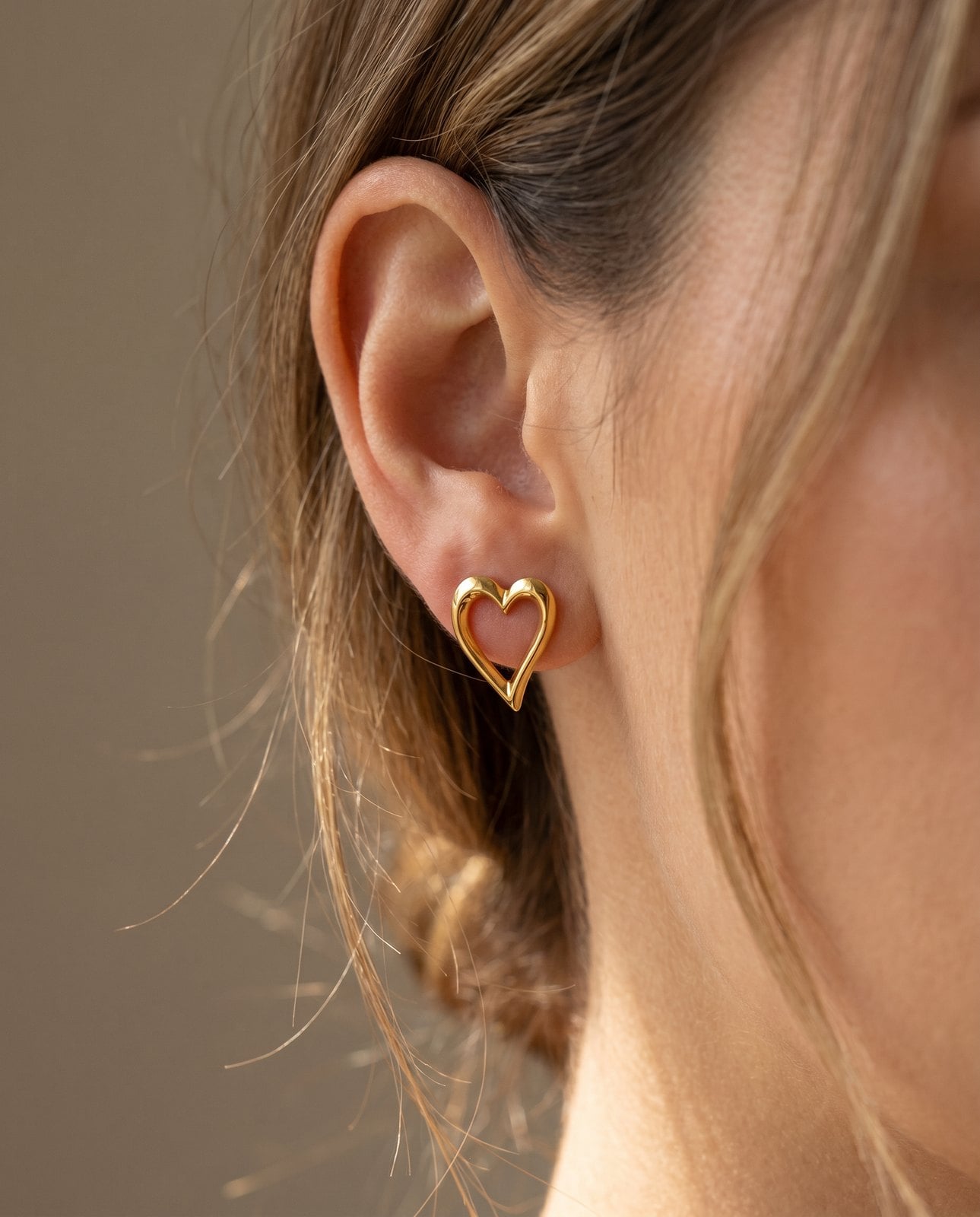
- Posts and backs both matter. A safe post is useless if the butterfly back is cheap alloy. Confirm the whole earring — post, back, and any decorative face — is a named nickel-safe material.
- Healing piercings need titanium. For a new or recently irritated piercing, implant-grade titanium is the safest choice while the skin barrier is open.
- Everyday wear can be PVD 316L. For healed piercings, stainless steel earrings for sensitive ears give you daily-wear, water-safe pieces without the titanium price tag.
- Watch the reaction timing. A rash that appears within a day usually signals a nickel-releasing metal; genuine nickel-safe pieces can be worn continuously without a flare.
Browse the full range of hypoallergenic earrings to compare studs, hoops, and drops — all built on the same nickel-safe 316L construction.
What Should You Avoid With Sensitive Skin?
**With sensitive skin, avoid gold-plated brass, any unnamed "alloy" or "mixed metal," costume jewelry with painted or lacquered coatings, and *nickel-free* used as the only proof on steel — and never wear a reactive piece while sweating or swimming.** These few materials and habits cause the vast majority of reactions. Treat the list below as non-negotiable — most "my new earrings gave me a rash" stories trace back to one of these.
- Gold-plated brass — a thin gold layer over reactive brass. It wears through fast, exposing the base metal, corroding, and turning skin green. The most common cause of reactions in cheap fashion jewelry.
- Unspecified "alloy" or "mixed metal" — if the metal isn't named, assume it contains nickel and reactive fillers. Unnamed almost always means cheap.
- "Nickel-free" as the only proof — an unverifiable claim, often applied inaccurately to steel. Prefer a named material and *nickel-safe* framing.
- Cheap costume jewelry with painted or lacquered coatings — the coating hides the base metal and chips away with wear, then the reactive metal underneath contacts skin.
- Wearing reactive pieces while sweating or swimming — moisture accelerates ion release. Even a marginal metal reacts faster in a hot, humid, or wet environment.
How Do You Care for Jewelry When You Have Sensitive Skin?
To care for jewelry when you have sensitive skin, apply lotion, perfume, and sunscreen before putting pieces on; rinse and dry after heavy sweat or swimming; clean gently with mild soap; and store pieces separately so nothing scratches the coating. Even nickel-safe jewelry performs better with these habits, because they protect the surface that keeps reactive base metals sealed away and stop residues from leaching through.
- Apply lotion, perfume, and sunscreen first, then put jewelry on. Chemical residues sitting between metal and skin can irritate sensitive skin and dull plating.
- Rinse and dry after heavy sweat or swimming. For nickel-safe PVD 316L this is about longevity, not safety — but keeping salt and chlorine off the coating extends its life.
- Clean gently. Warm water, a drop of mild soap, and a soft cloth. Skip abrasive polishes and ultrasonic cleaners on plated pieces — they thin the protective gold layer.
- Store pieces separately. Loose jewelry rubbing together scratches coatings; a lined box or pouch keeps the sealed surface intact.
- Reserve reactive pieces for dry, brief wear. If you own gold-plated or vermeil pieces you love, wear them only when dry and take them off before sweating or bathing.
For a full routine that keeps plated jewelry looking new for years, see our guide on how to make gold plated jewelry last longer. When you're ready to shop, you can browse the full Glozya shop — every piece is built on the same nickel-safe 316L construction.
About the Author

Mohammad Aftab is the founder of Glozya, a Canadian 18K gold-plated jewelry brand he launched in 2023. He has over a decade of experience in e-commerce, email marketing, and brand design across DTC, retail, and digital media. He writes about jewelry care, style, and the everyday details that make a piece worth keeping.