Bracelet stacking in 2026 is about balanced contrast: combine a comfortable adjustable bracelet as a base, layer delicate chain and bead pieces for texture, and add one statement or stainless-steel accent to anchor the look. Prioritise proportion, metal harmony, and comfortable fit for everyday wear.
Bracelet stacking has evolved from maximalist shows of volume to curated, wearable combinations that move easily from day to night. This guide gives 12 practical stacking ideas, sizing and balance rules, and outfit pairings so you can mix adjustable, layered and statement pieces with confidence. All recommendations point to durable, hypoallergenic materials and styling approaches that work with Glozya collections.
How to choose a base bracelet for your stack
Your base bracelet sets comfort and scale. For daily wear, an adjustable bracelet is ideal: it provides a secure, personalised fit and a low profile that supports other pieces. Choose a base that is slightly looser than snug so the stack moves naturally when you gesture.
Base selection rules
- Comfort first: base should never pinch or leave imprints.
- Neutral tone: pick a polished metal (18K-plated or stainless steel) to bridge different textures.
- Anchor size: aim for a base width that’s 20–30% of the total stacked visual width.
Mixing textures and metals: pairing adjustable, layered and statement pieces
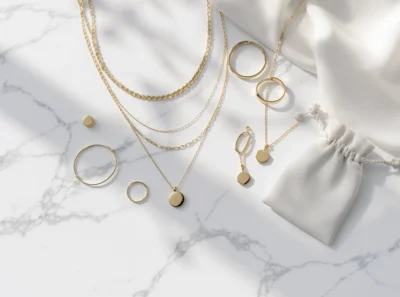
Contrast is the key to modern stacking. Pair a soft fabric or beaded adjustable with thin chain layers, and cap the stack with a single statement bracelet or a stainless-steel cuff to add structure. If mixing metals, maintain a dominant tone (for example, warm gold) and use secondary tones sparingly for accents.
Practical mixing tips
- Combine one matte texture, one polished metal, and one decorative element (charms, beads, or a CZ-set link).
- For multi-metal stacks, let one metal (gold or silver tone) appear in at least two pieces for cohesion.
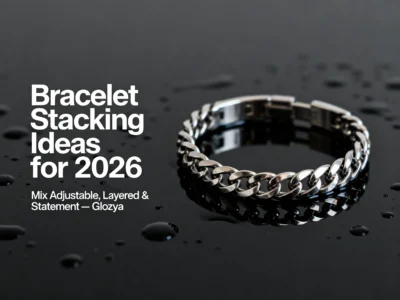
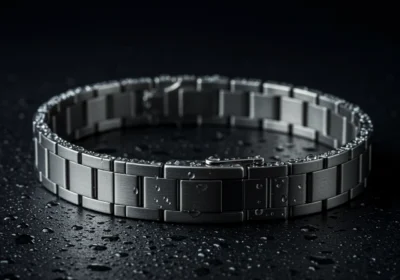
- Use a stainless-steel element (e.g., stainless steel bracelets) as a modern contrast to 18K plated chains.
Styling recipes: five outfit-ready stacks
Below are replicable recipes that work across everyday, office and evening wardrobes.
Daytime casual
- Base: narrow adjustable cord bracelet
- Layer: two slim chain bracelets (different lengths)
- Anchor: small charm bracelet or minimalist statement ring on adjacent finger
Office-smart
- Base: polished adjustable bracelet in metal tone
- Layer: one chain with tiny CZ accents + one thin bangle
- Anchor: a restrained statement bracelet (single cuff) to lend authority
Evening / Formal
- Base: delicate pearl or beaded adjustable
- Layer: two elegant chain bracelets, one of which has a pendant or CZ
- Anchor: a bold, statement bracelet that contrasts in scale
Weekend festival
- Base: colourful adjustable braided bracelet
- Layer: layered bead bracelets + a textured metal cuff
- Anchor: one statement bracelet with geometric details
Mixed metals elevated
Stack a warm 18K-plated chain, a rose-tone beaded bracelet and a high-polish stainless-steel cuff. Keep widths varied and leave breathing space between large elements to avoid visual clutter.
Sizing, spacing and comfort: the 3-rule approach
Successful stacks follow three simple proportional rules that prioritise comfort and visual harmony.
The 3-Rule approach
- Small + Medium + Large: include one small (thin chain), one medium (bead or adjustable), and one large (statement or cuff) element.
- Space & Movement: allow 5–12 mm of clearance between wider pieces so the stack breathes and doesn’t bind when you bend your wrist.
- Weight distribution: heavier pieces should sit lower on the wrist (closer to the hand) so they don’t slide unpredictably.
Practical care and travel tips
Stacked bracelets can tangle or wear faster if not cared for correctly. Keep each piece in a soft pouch when travelling and fasten clasps to prevent snagging. For plated chains, avoid applying hand cream immediately before wearing; for adjustable textiles, check closures periodically for fraying.
Quick packing checklist
- Individual soft pouches for each bracelet
- Small travel roll or lined box to keep stacks flat
- Mini polishing cloth for metal pieces
Explore Glozya’s collections and styling resources: All bracelets, Adjustable bracelets, Layered bracelets, and our trend roundup Top 10 Canadian Jewelry Trends of 2025.
FAQ
How many bracelets should I stack?
Start with three elements (small, medium, large) and adjust by feel; three provides visual balance without overwhelming the wrist.
Can I mix gold-plated and stainless steel in the same stack?
Yes — mixing metals works when you maintain a dominant tone and use stainless steel as an accent. Ensure finishes and widths are balanced for cohesion.
How do I stop bracelets from tangling?
Leave small gaps between wider pieces, fasten clasps when storing, and alternate rigid and flexible pieces so they sit differently on the wrist.
Which wrist looks better for stacking — left or right?
Use the wrist that feels more comfortable; many prefer the non-dominant hand to keep bracelets out of the way during tasks, but styling follows personal comfort.
TL;DR
Build stacks around a comfortable adjustable base, add layered chains for texture, and finish with a single statement or stainless-steel anchor. Use the Small-Medium-Large rule for proportion and prioritise comfort for everyday wear.