
Is Stainless Steel Jewelry Hypoallergenic? A Buyer’s Guide

Many stainless steel jewellery pieces are hypoallergenic — especially surgical-grade alloys such as 316L — because they minimize nickel ion release. However, sensitivities vary: choose certified 316L (or higher), PVD/titanium finishes, and tested products (Glozya’s saltwater and real-wear tests) to reduce reaction risk.
If you have sensitive skin or a history of metal allergies, choosing jewellery that won’t irritate is essential. This guide explains what “hypoallergenic” really means, which stainless steel grades are safest, how coatings and manufacturing affect skin compatibility, and how to test and buy with confidence. You’ll also find a practical buying checklist and care recommendations tailored to Glozya’s durable, PVD-enhanced pieces.
What “hypoallergenic” actually means for jewellery
“Hypoallergenic” is a market term indicating a lower likelihood of provoking skin reactions — it is not a guarantee. For jewellery, it means using materials and manufacturing processes that limit metal ion release (notably nickel) and finishes that act as barriers between metal and skin. The safest approach is to prioritise materials with documented low nickel release — for example, surgical-grade stainless steel (commonly 316L) or titanium — and to prefer pieces tested by the maker for real-world wear.
Key points
- Hypoallergenic ≠ allergy-proof; it reduces risk.
- The two main allergy culprits are nickel and certain base metals.
- Testing, protective coatings and good craftsmanship all reduce risk.
Why stainless steel is commonly hypoallergenic
Certain stainless steel alloys are formulated for medical and jewellery applications. 316L (surgical stainless steel) contains chromium and molybdenum and is engineered to resist corrosion and minimise nickel ion release. When electropolished or passivated, 316L is tolerated by many people with nickel sensitivity.
Glozya complements stainless cores with protective processes such as PVD (Physical Vapour Deposition) or titanium-based finishes, providing an additional barrier between metal and skin. Stainless steel’s natural passivation layer — an oxide film formed during manufacturing — further limits leaching.
Practical advantages
- Stainless steel is waterproof and rust-resistant, making it suitable for daily wear (including showers and hand washing).
- Compared to low-cost alloys, quality stainless steel is more stable and less likely to cause dermatitis.
Which grades of stainless steel to choose (316L, 304, etc.)
Not all stainless steels are created equal for jewellery:
- 316L (recommended): surgical grade, best corrosion resistance and lowest nickel release — widely used for rings, bracelets and body jewellery.
- 304: common for household products; acceptable but less corrosion resistant than 316L and may cause reactions in some sensitive users.
- 430 / lower grades: not recommended for jewellery due to higher corrosion and greater irritation risk.
Manufacturing notes: electropolishing and passivation reduce surface contaminants and nickel availability. If a brand lists 316L, electropolishing, or PVD coverage, that’s a positive indicator.
Care, testing and signs of allergy or skin reaction
Even hypoallergenic pieces can irritate if scratched, worn with creams, or exposed to harsh chemicals.
Daily care
- Remove jewellery while applying perfumes or lotions; allow products to absorb first.
- Rinse after heavy sweating and pat dry.
- Avoid chlorine (pools/hot tubs) as it can accelerate corrosion on lower-grade alloys.
Simple at-home allergy test
- Wear the piece for 24–48 hours continuously.
- Observe for itching, redness or raised bumps.
- If irritation appears, remove the item and consult a dermatologist. For an added control, try a pure titanium or certified 316L sample for comparison.
Real-world durability test
Glozya’s product testing includes saltwater submersion and daily wear trials; results showed no tarnishing after two weeks of laboratory saltwater testing. Additionally, Glozya’s PVD coatings measure approximately 0.03–0.05 microns for enhanced abrasion and tarnish resistance — a factor that improves both skin safety and longevity.
Buying checklist: how to choose hypoallergenic stainless jewellery
Use this checklist when purchasing:
- Specify the grade: prefer 316L or higher.
- Look for passivation/electropolishing: lowers ion release.
- Check for protective coatings: PVD or titanium-based finishes reduce direct skin contact.
- Request testing or warranties: saltwater tests, wear trials, or manufacturer claims (Glozya publishes testing notes).
- Inspect finishes: smooth, polished surfaces are less likely to irritate.
- Ask about nickel release: vendors may provide nickel release testing or certification.
- Verify return policy: easy returns reduce risk if sensitivity appears.
Helpful links: Learn more about Glozya’s durability and plating methods on the About page and browse our stainless steel collection at stainless steel bracelets. For context on plated vs stainless options, see our 18K gold-plated guide: What is 18K gold-plated jewellery?
FAQ
Is all stainless steel hypoallergenic?
No. Many stainless steels (for example 316L) are widely tolerated, but lower grades or poorly finished pieces may release more ions. Always choose surgical-grade alloys and properly finished jewellery.
Can stainless steel cause skin darkening?
Skin darkening (contact pigmentation) is uncommon with high-quality stainless steel. Discolouration often results from a reaction with lotions, sweat or metal salts; polishing and protective coatings reduce this risk.
How can I test jewellery for allergies at home?
Wear the piece 24–48 hours and watch for itching, redness or bumps. Compare with a known hypoallergenic item (titanium or 316L). For certainty, consult a dermatologist for patch testing.
Are stainless steel pieces waterproof like gold-plated jewellery?
Stainless steel cores are waterproof and corrosion-resistant. Glozya’s PVD and plating treatments make plated pieces waterproof as well, but avoid prolonged chemical exposure (chlorine, harsh cleaners) to preserve finishes.
TL;DR
Choose surgical-grade 316L stainless steel or PVD/titanium-finished pieces, follow simple care steps, and verify manufacturer testing (saltwater/PVD) to minimise allergy risk and ensure long-term performance.
Related Blogs
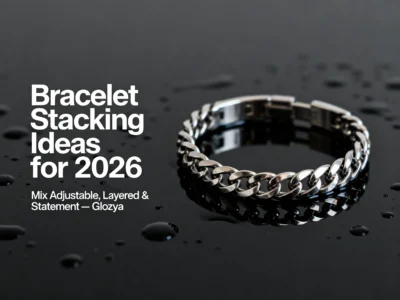
Bracelet Stacking Ideas for 2026: Mix Adjustable, Layered, and Statement
Bracelet stacking in 2026 is about balanced contrast: combine a comfortable adjustable bracelet as a base, layer delicate chain and
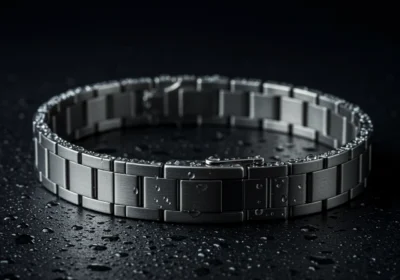
Is Stainless Steel Jewelry Hypoallergenic? A Buyer’s Guide
Learn how hypoallergenic stainless steel jewellery—especially certified 316L and PVD-coated pieces—reduces allergy risk and ensures lasting comfort.
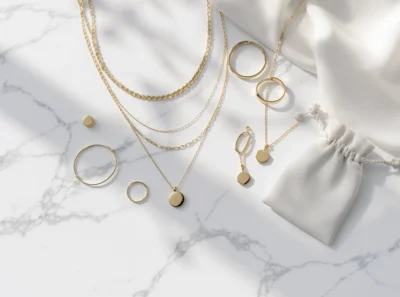
How to Make Gold-Plated Jewelry Last Longer
Why Gold-Plated Jewelry Needs Extra Love Gold-plated jewelry offers the luxury of gold without the luxury price tag — making it one